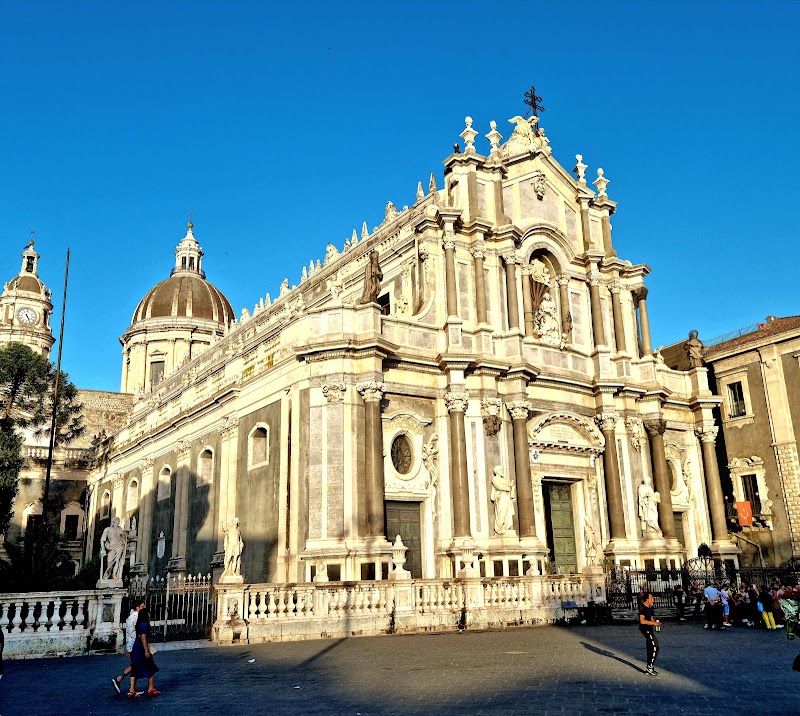
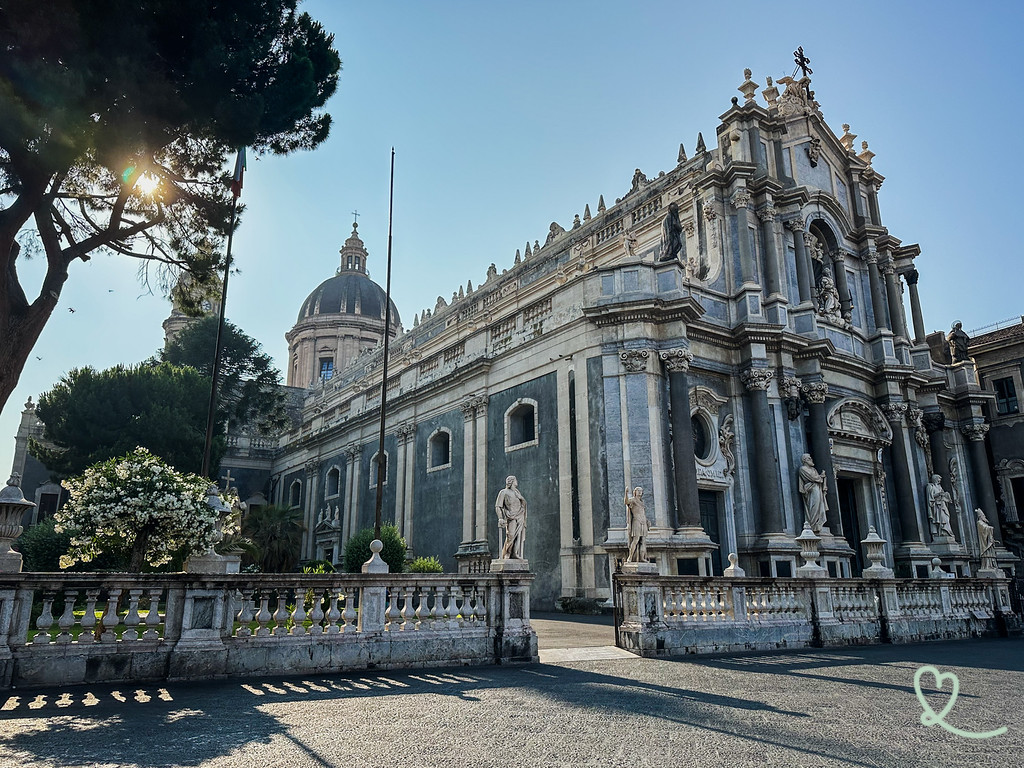
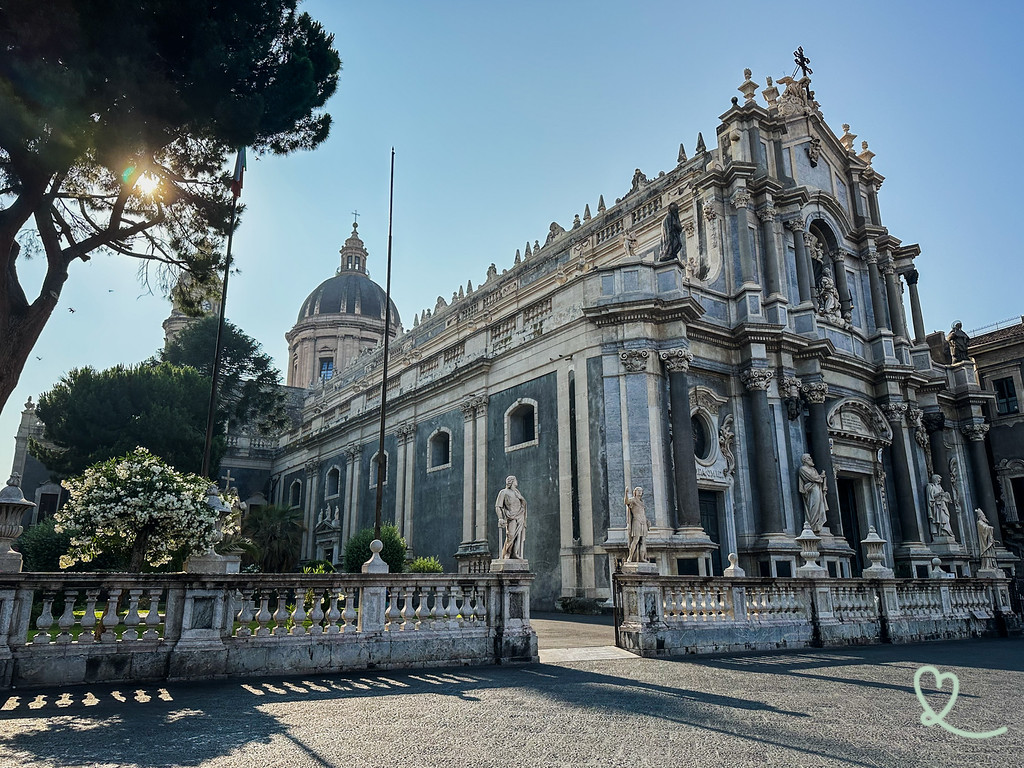
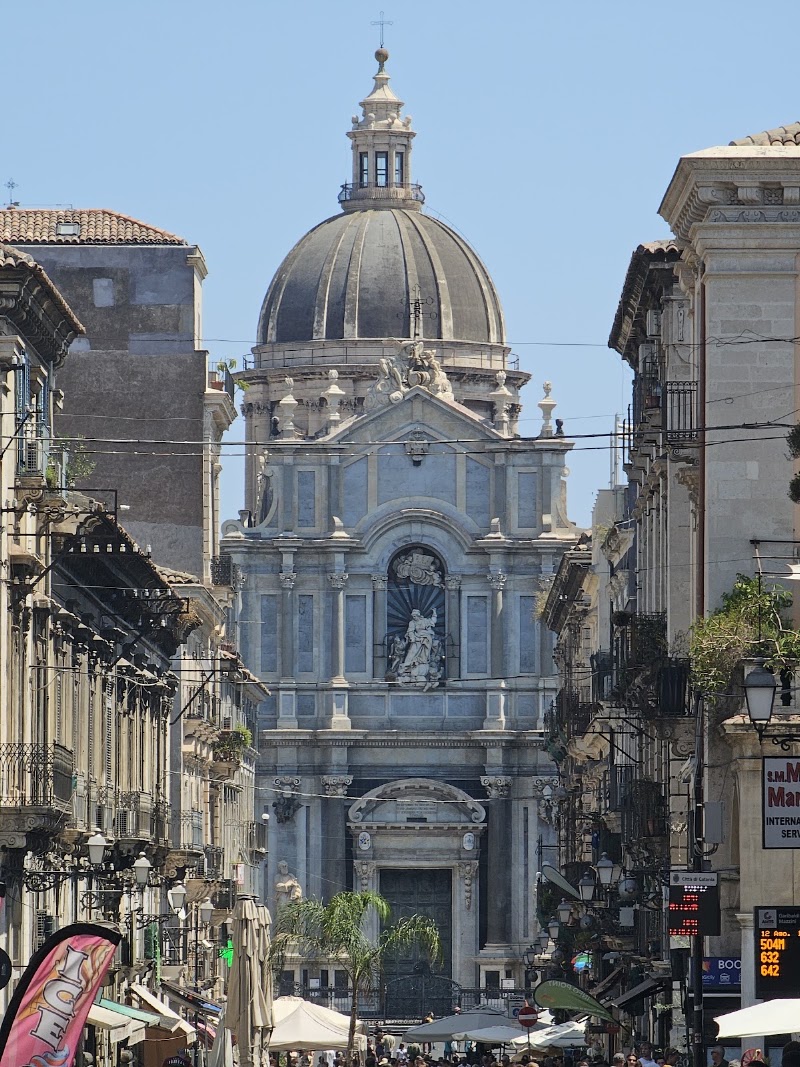
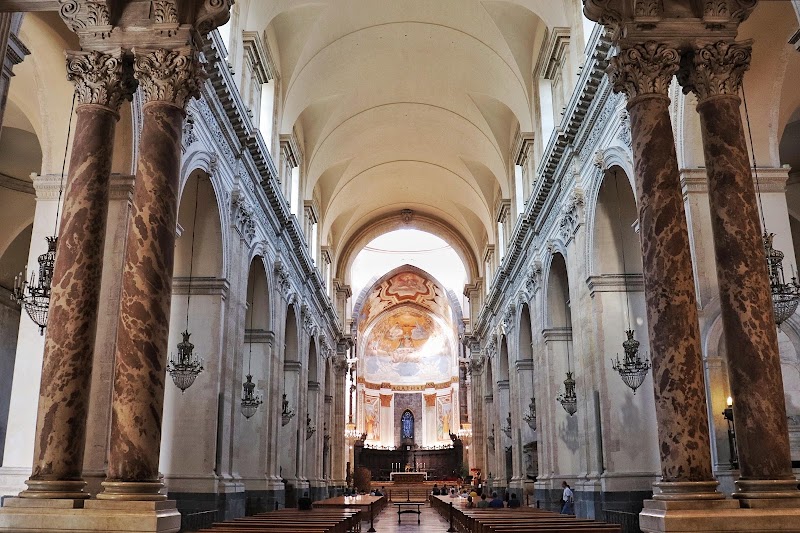
Catania Cathedral’s story is really the story of survival after the earthquake of 1693, when the city was shattered and the old church was left in ruins. Before that, the cathedral had already been battered more than once: it began in 1078–1093 under Count Roger, then suffered a deadly collapse in 1169, and later fire damage in 1194. By the late 17th century, Catania had learned a hard lesson: if you build here, you build with volcanoes and earthquakes in mind.[1][12][13]
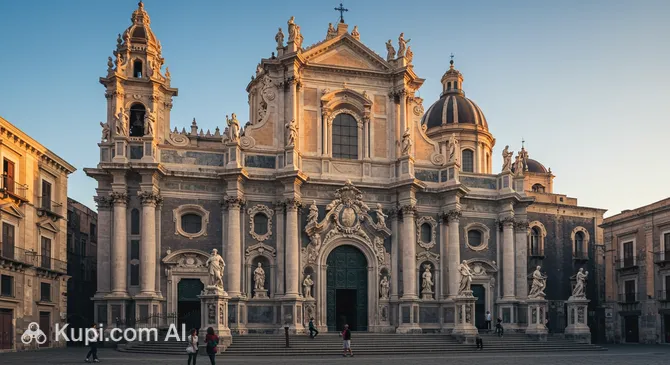
The turning point came in the 18th century, when the cathedral was rebuilt as part of Catania’s Baroque remaking. Giovanni Battista Vaccarini designed the façade between 1734 and 1761, while the interior was handled by Girolamo Palazzotto.[13] That rebuilding did not erase the violence of the past; it turned it into civic theater. Today, visitors still stand in Piazza del Duomo and see the cathedral’s Baroque front facing the Elephant Fountain, the city’s black lava-stone emblem, a reminder that Catania turned catastrophe into a public square.[1][4][6]
Read more →