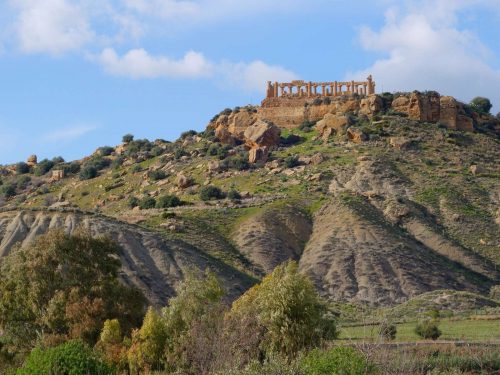
Agrigento began as Akragas, founded in 580 B.C. on a ridge above the sea, and by the 5th century B.C. it had become wealthy enough to build temples on a scale that still feels slightly excessive, which is part of the appeal. That rise had a human face: the tyrant Theron, whose victory over the Carthaginians at Himera in 480 B.C. helped turn the city into one of the leading Greek colonies in Sicily.[3][5]
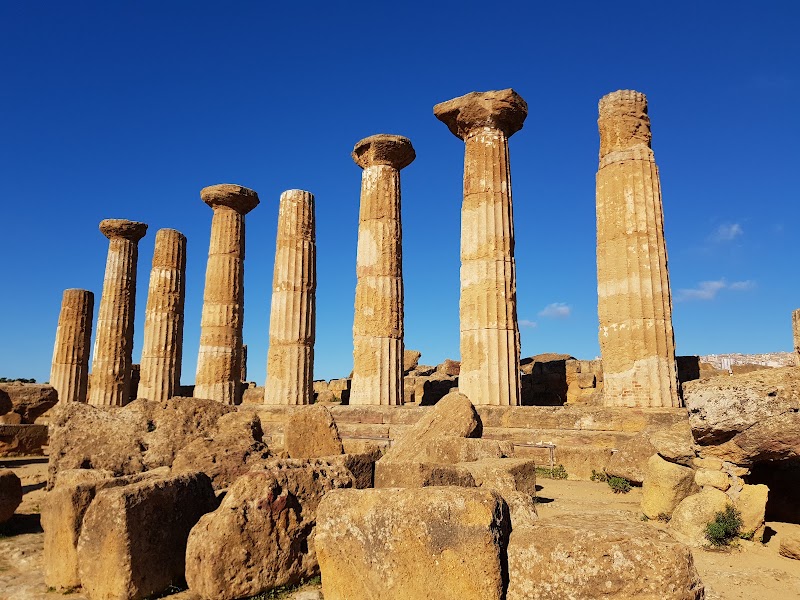
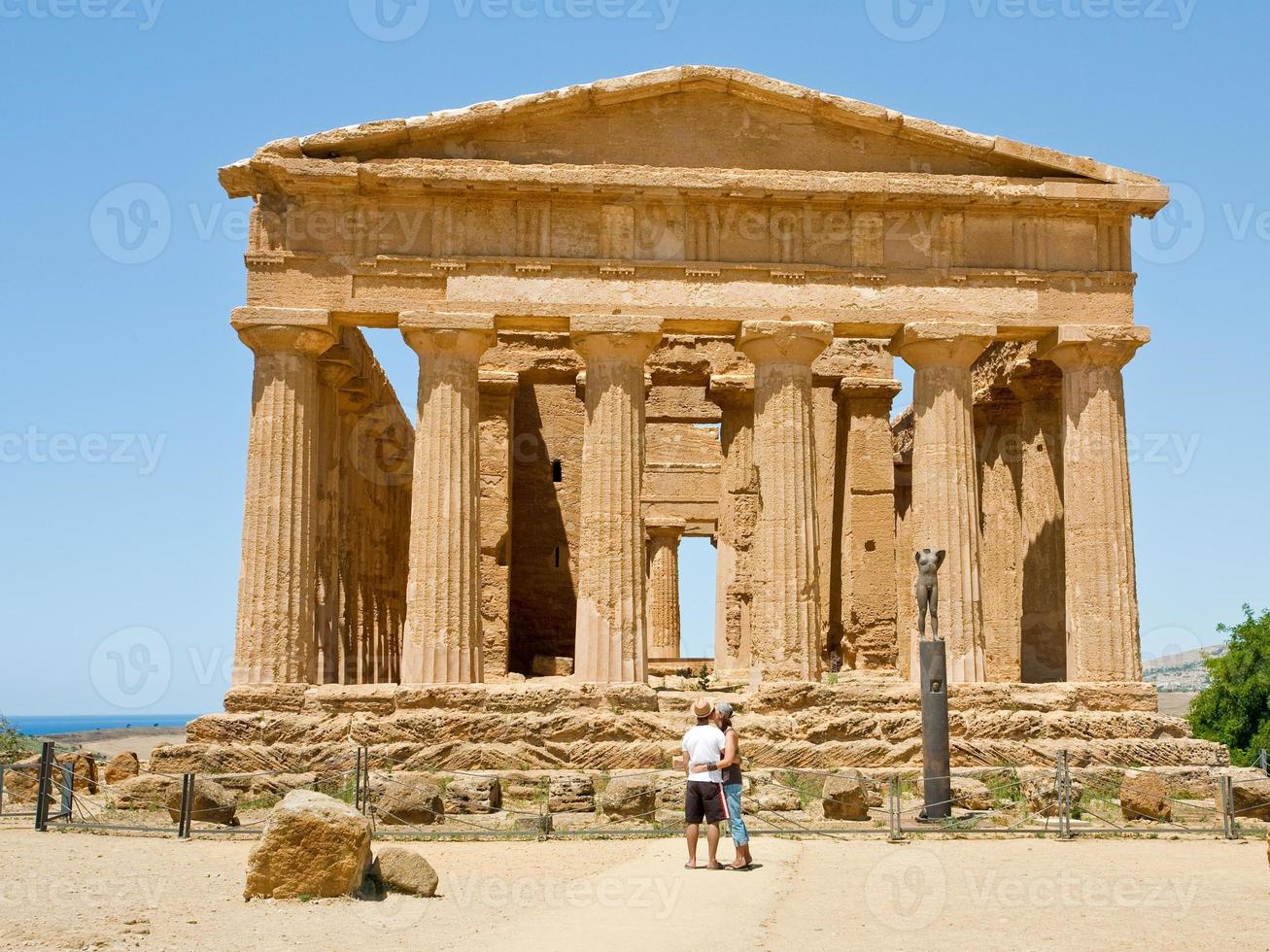
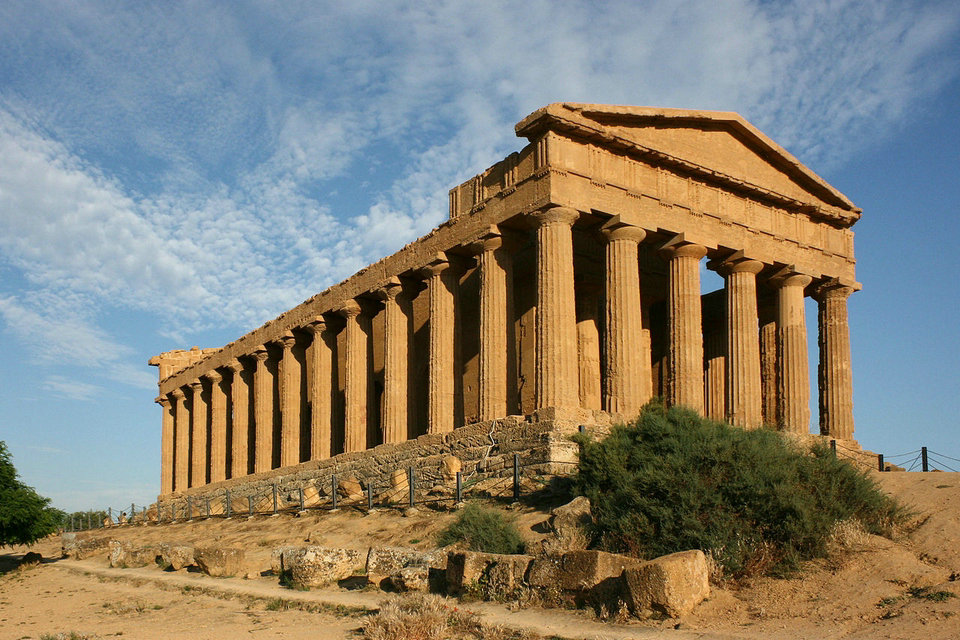
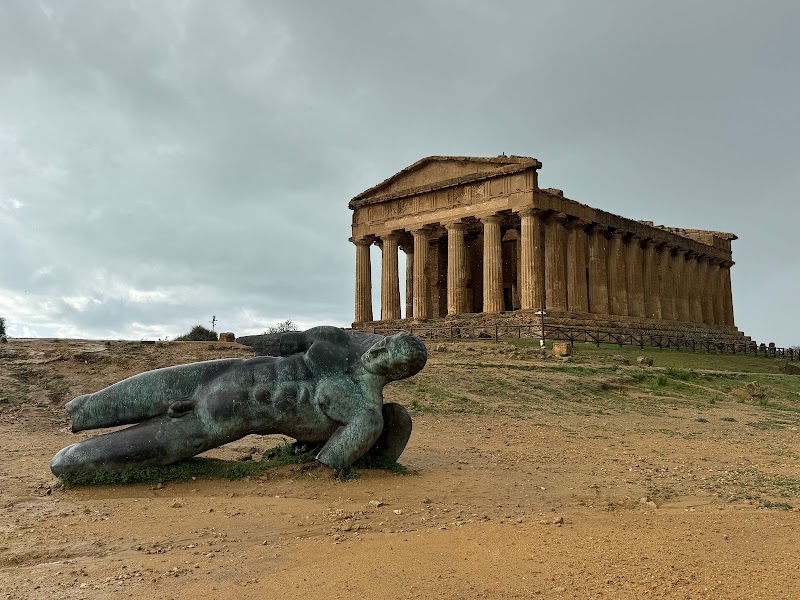
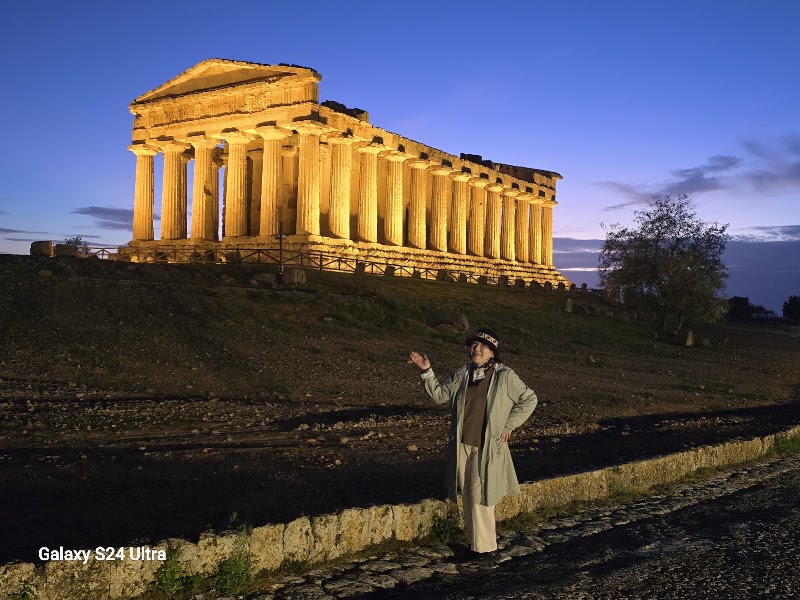
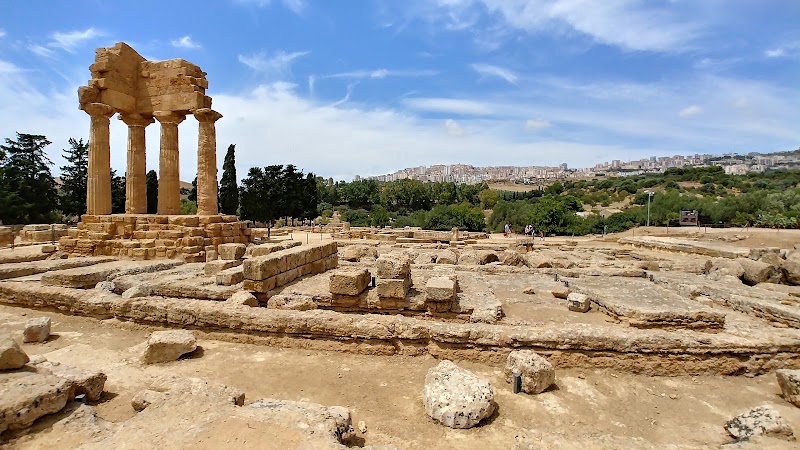
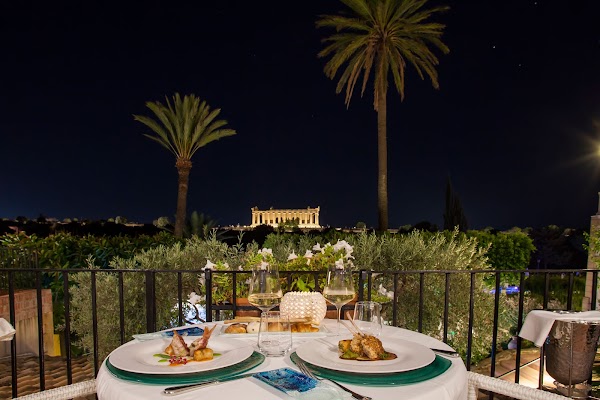
Then came the turning point. In 406 B.C., Carthaginian forces destroyed Akragas, and the city never recovered its old power; later, in 210 B.C., Rome took it and renamed it Agrigentum.[3][5] The temples outlasted the city’s fortunes, which is why the place matters: it preserves the scale of a Greek city that was briefly rich, then abruptly broken. You can still read that story in the Temple of Concordia and the long row of Doric columns standing above the olive trees.[2][6]
Read more →