On 11 January 1693, an earthquake ripped through southeastern Sicily and left Ragusa split between two futures. Contemporary accounts and later reconstructions agree on the basic rupture: roughly 5,000 people in Ragusa died, the old city was devastated, and the town’s elites made the choice to rebuild in place rather than abandon the medieval site altogether[1][10][14].
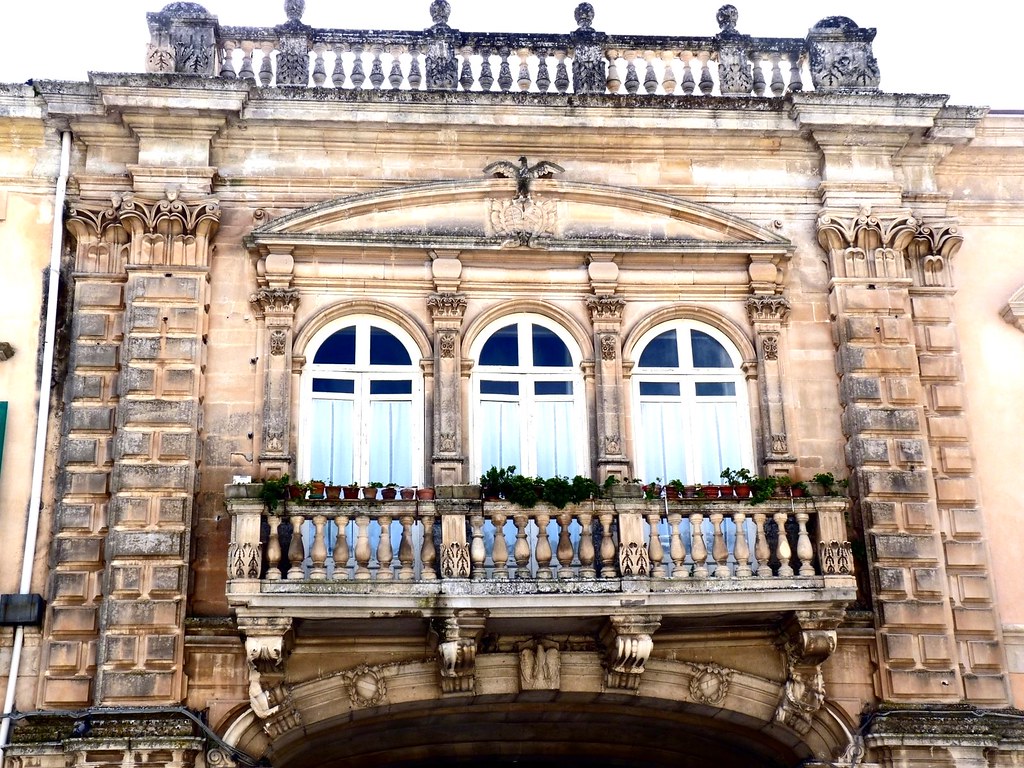
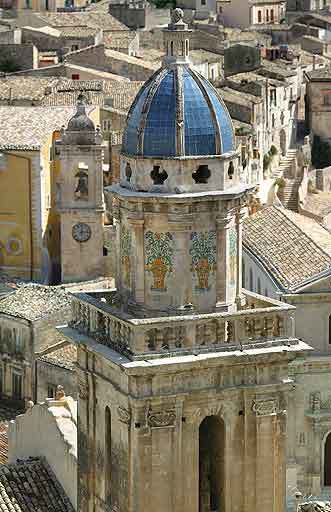
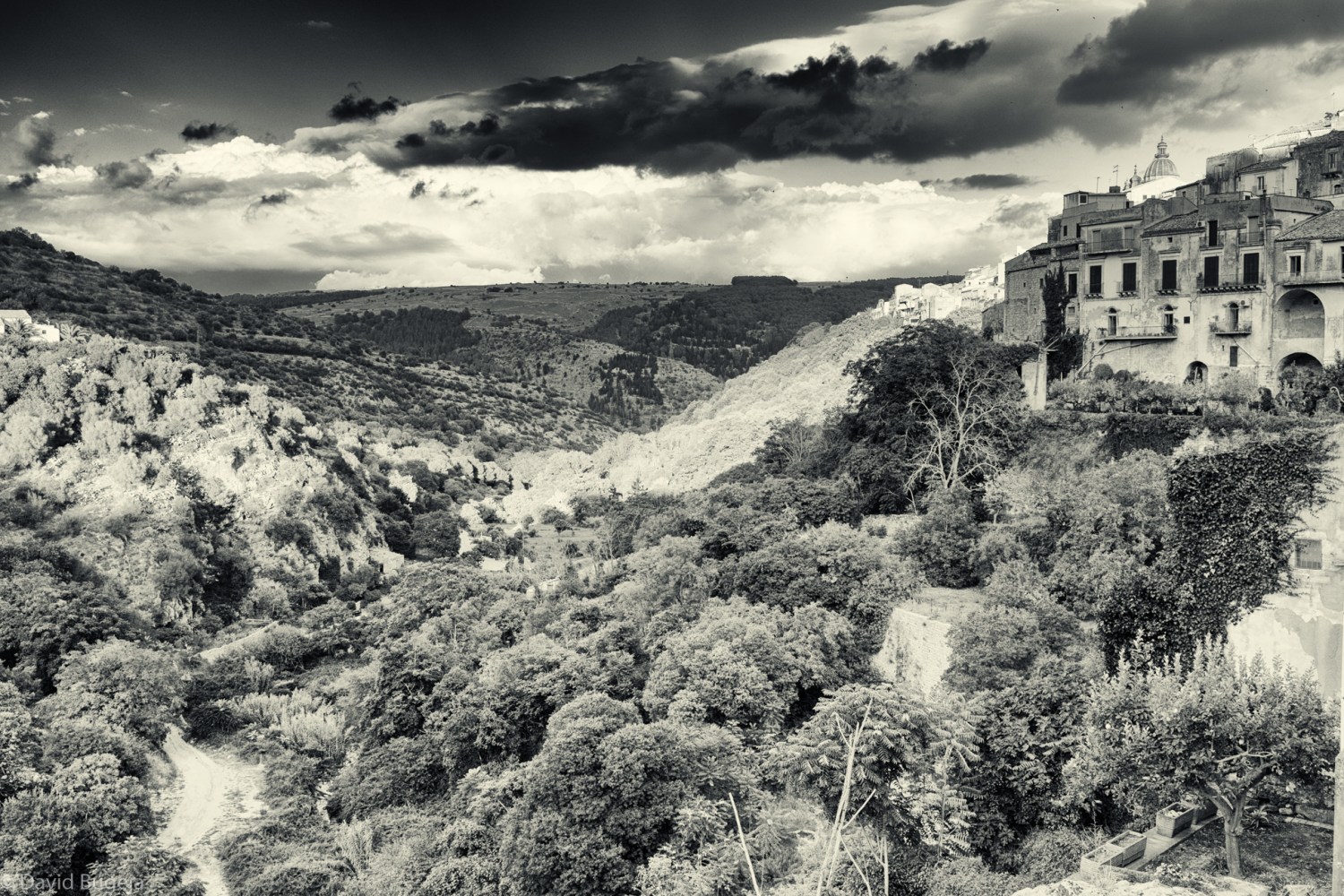
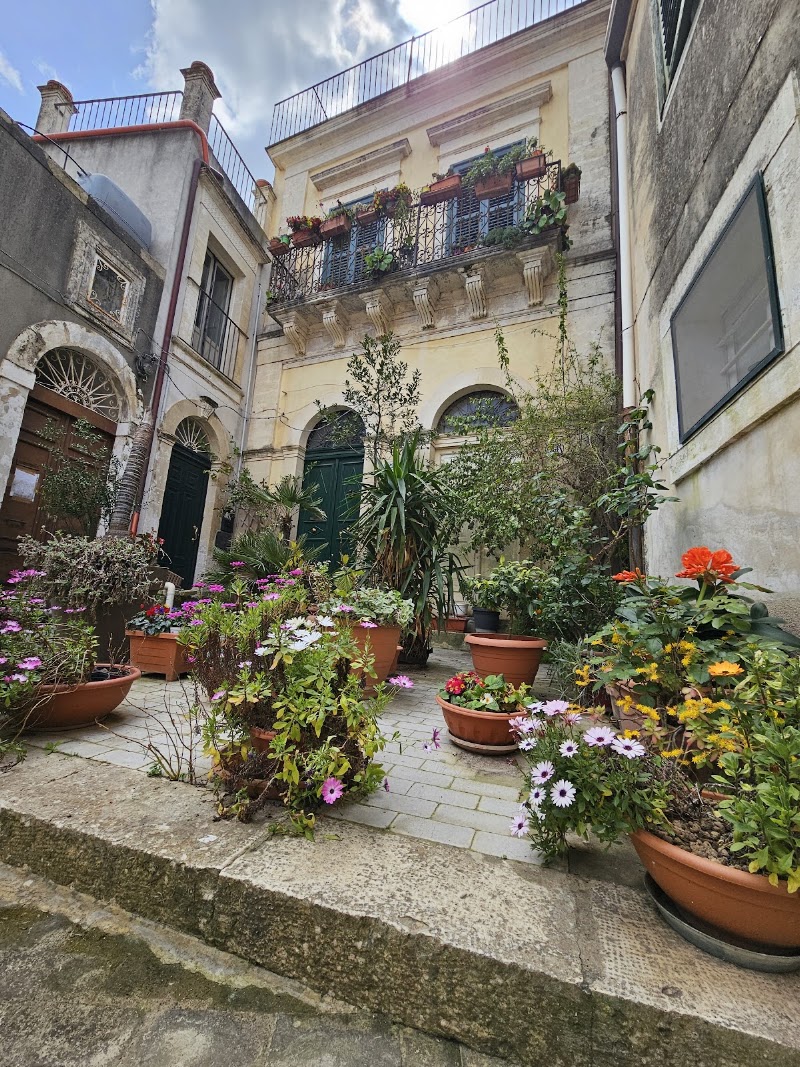
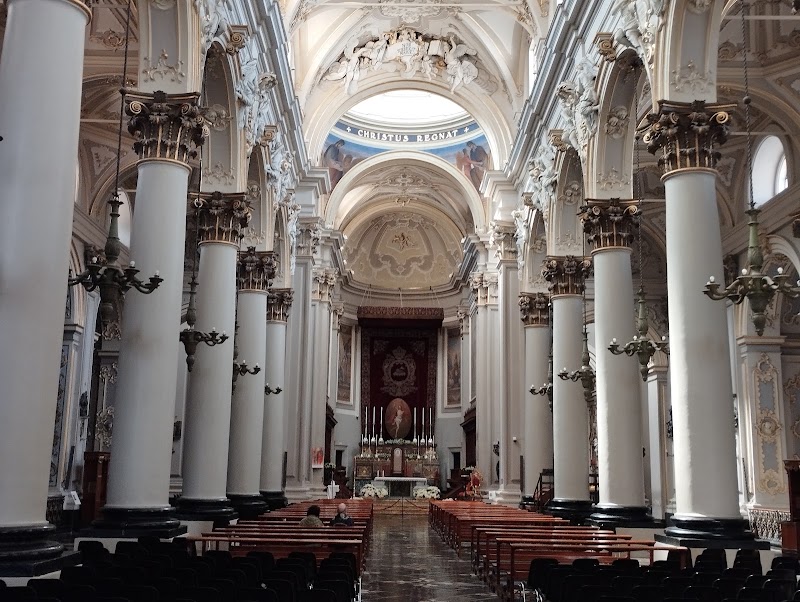
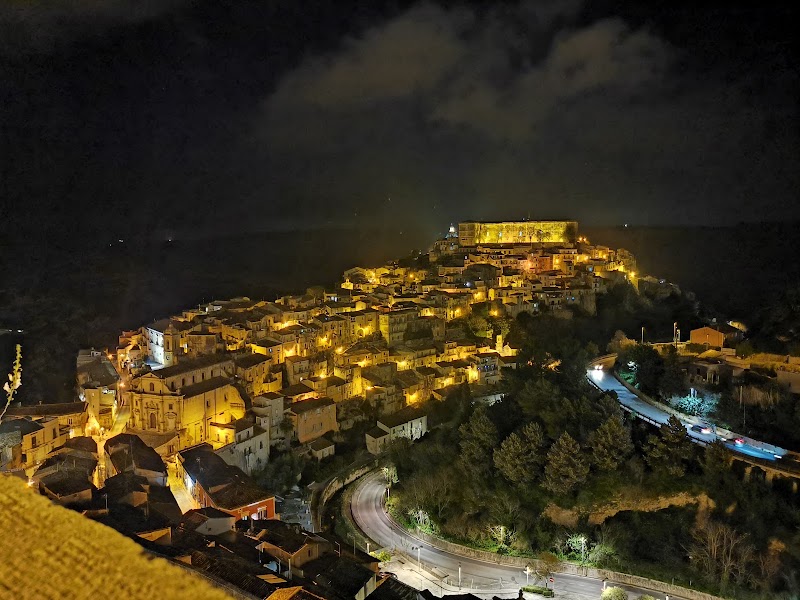
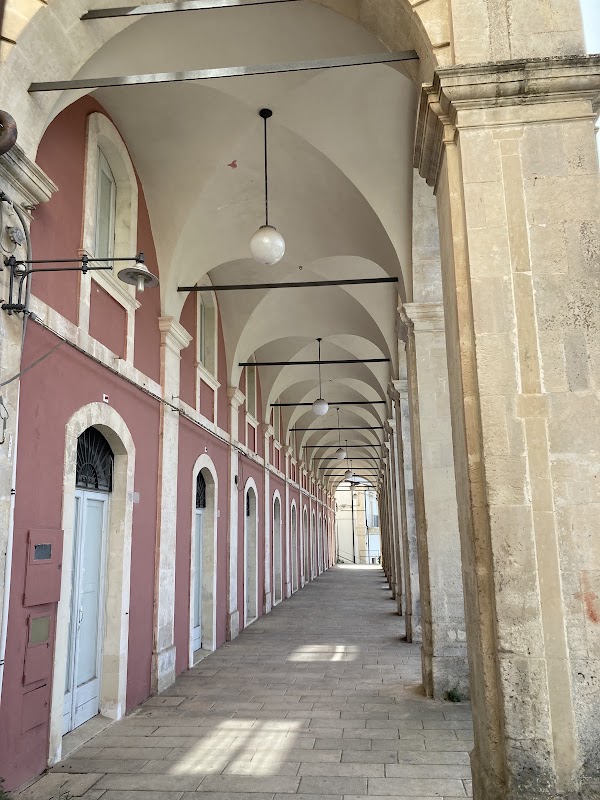
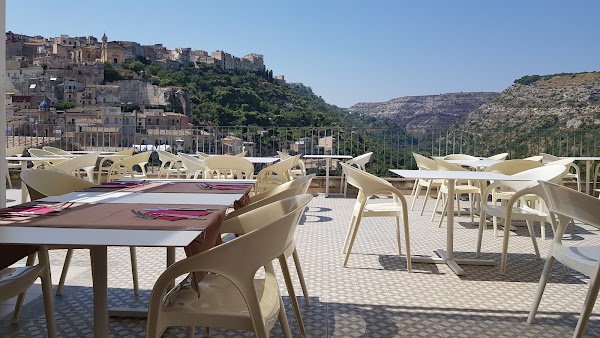
That decision is why Ragusa Ibla matters. The old quarter kept its medieval street plan, while the post-1693 rebuilding produced the late-Baroque churches and palaces that now define its look[1][11][14]. Even the town’s own religious geography shifted: the new Church of San Giorgio rose after the quake on the site of the older San Nicola, while Ragusa Superiore drew away power and population[2][9]. The result was not one Ragusa but two, divided by disaster and by class, with the nobility and clergy staying attached to the ancestral quarter[2].
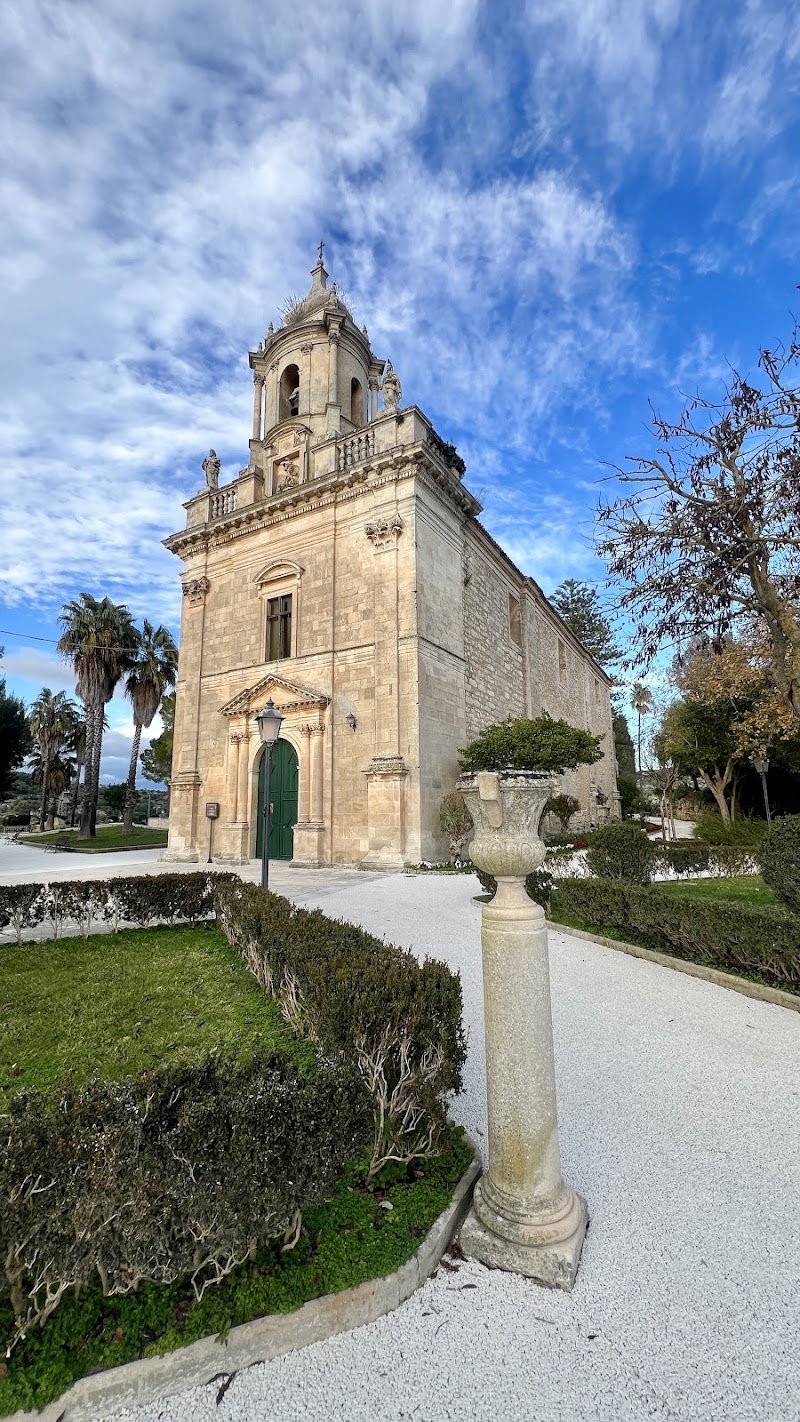
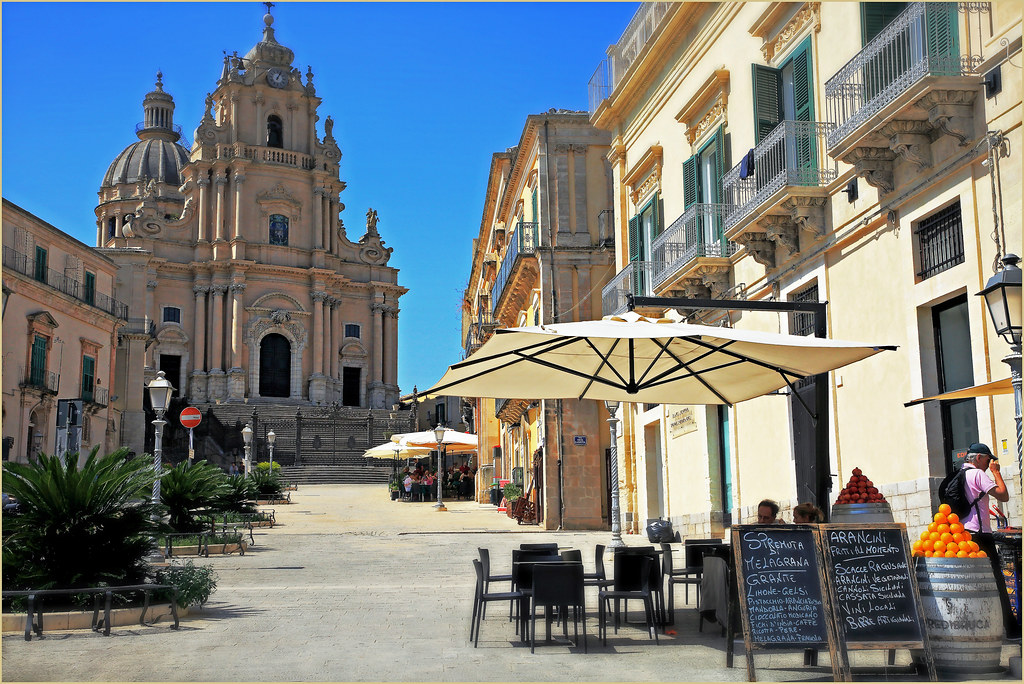
A visitor still sees the argument in stone. Walk Piazza Duomo and the staircase-fronted Church of San Giorgio still tells the story of a town that rebuilt without erasing its past, while the surviving old portal of San Giorgio at Giardino Ibleo is a literal fragment of the pre-quake city[9][15].
Read more →