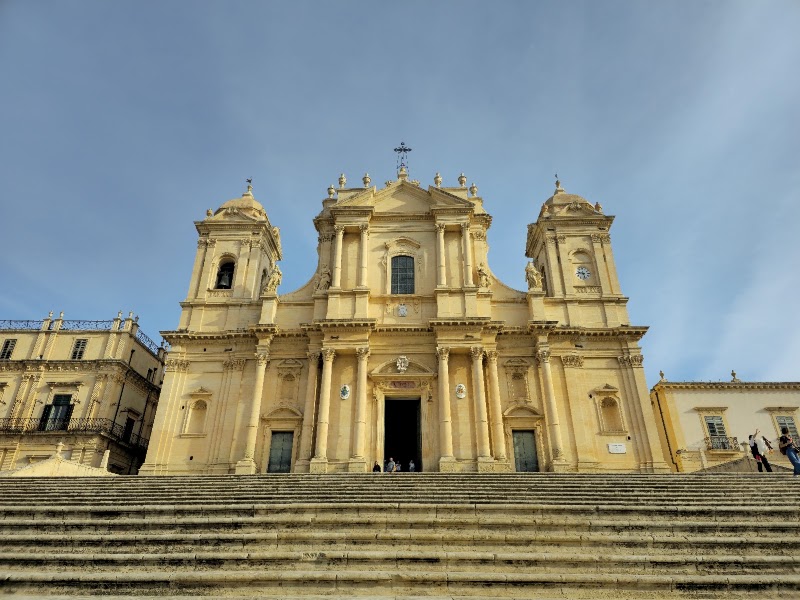
Noto was rebuilt after the earthquake of 1693, and the cathedral was part of that second birth: work began in the early 1700s and, after a long stop-and-start campaign, it was finally completed in 1770. The point is not that it is old; it is that it belongs to a city that had to be imagined again from rubble, with its main street laid out as a disciplined stage for civic life rather than a tangle of medieval lanes.
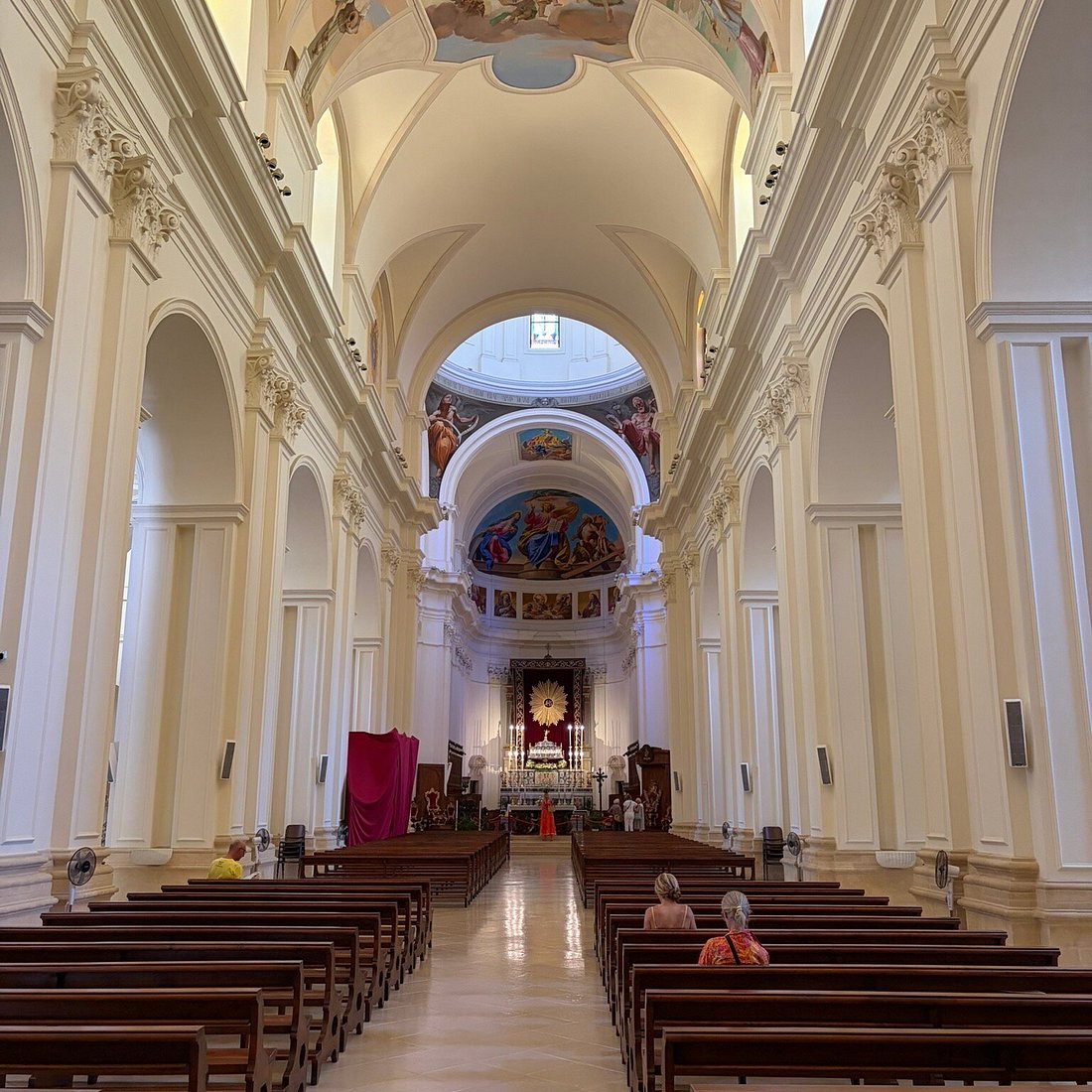
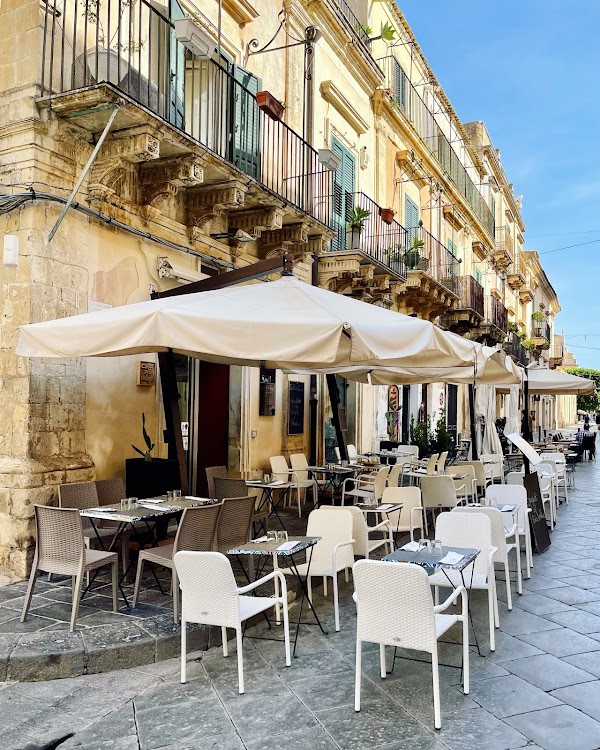
That story turned dramatic in 1996, when a structural failure brought down the cathedral’s dome, right aisle, nave, and transept. The rebuilding that followed was not a sentimental patch job. It used more than 100,000 stone blocks and reopened on 18 June 2007, after seven years of work, proving that preservation here meant reconstruction with a surgeon’s patience. Corso Vittorio Emanuele still carries that same idea of order after disaster: broad, straight, and framed by baroque facades that make the street feel less like a backdrop than the city’s operating system.
What a visitor sees today is the repaired cathedral rising above the staircase, and, below it, the long ceremonial axis of Corso Vittorio Emanuele, still doing the work Noto’s planners intended in the 18th century.
Read more →