Day 5 · Catania & Etna
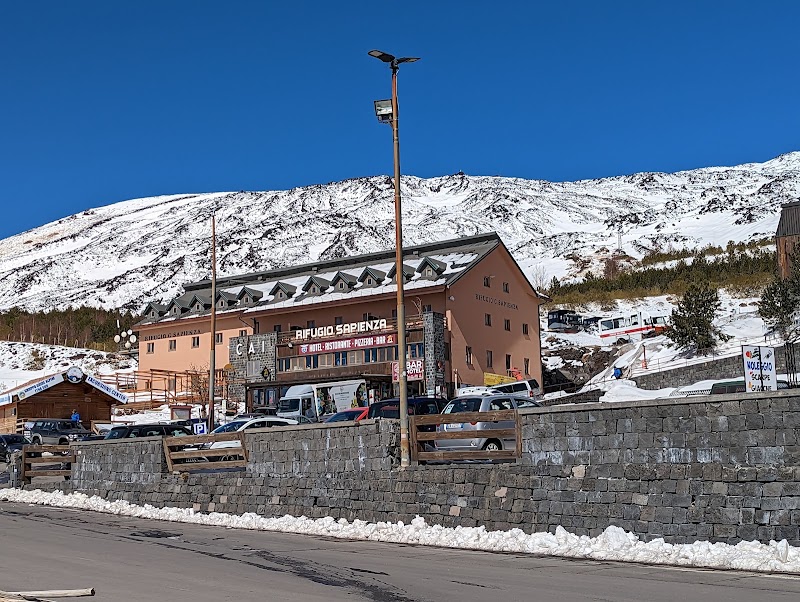
Rifugio Sapienza
Step 1 · Before you enter · ~15 sec

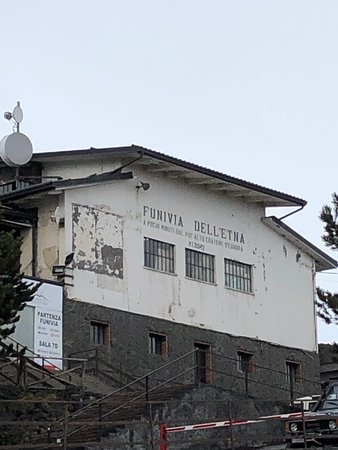
Rifugio Sapienza

★ 4.4 (15,813) €156 Maps ↗ Website ↗

At Rifugio Sapienza, the story is not about a pretty lookout; it is about a building that was begun as a fascist-era barracks, then handed to the CAI after the war, and later had lava wrap around it in 1983 without finishing the job. From there, the mountain still makes you earn the rest: a cable car jumps to 2,500 meters, and the authorized crater zone starts higher still, at about 2,920 meters.

Stand outside · play the audio first, then read on.

Step 2 · The story · ~2 min

Why this place matters

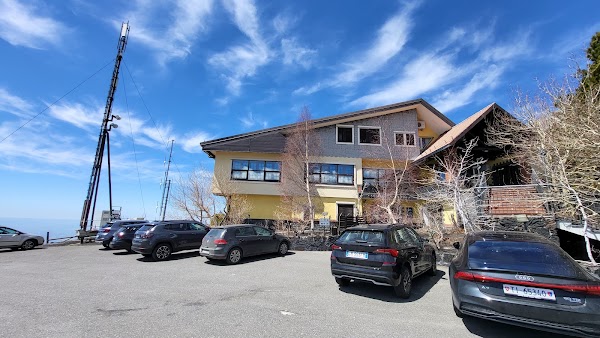
Rifugio Sapienza matters because it began as a Fascist barracks project and ended up as the practical front door to Etna’s southern craters. Built in the 1930s as “Capanna Montagnola,” it was left unfinished when the war broke out; after Fascism fell, the Catania section of the Italian Alpine Club took it over, and in 1946 engineers Oliviero Scuto and Alfio Amantia rebuilt and enlarged it under the push of section presidents Umberto Franzina and then Paolo Fontana. The name came from a donation by Domenico Sapienza, brother of Giovannino Sapienza, an Alpine Club member killed in the war. The refuge opened on 14 December 1947 with 42 beds and a restaurant, a modest start for a building that had already changed political regimes before it served a single tourist.

That transition is the real story here: a structure designed for state spectacle was repurposed for mountain travel, and then for Etna’s ordinary, practical life. In the 1960s it was doubled in size, and in 1983 lava on 9 April climbed to the building’s second floor, surrounding it and destroying the adjacent “Fire-place,” yet leaving the refuge itself standing. Visitors still see that stubborn, slightly improbable survival in a place where lava, lifts, parking lots, and the access road all meet at 1,910 metres.

Read more →
Step 3 · Going in

Here's how

Best time to visit

Go in the morning. The light is cleaner, the air is steadier, and the crater shapes are easier to read before buses and day-trippers crowd the area.

Entry strategy

For a group of 9, decide on arrival by queue rather than by assumption. If the line is short and everyone wants more height, go for the cable car or the 4x4+guide option; if not, keep it free and walk the Silvestri craters by the parking area.

Recommended route

Start with the free crater walk first, because it costs nothing and tells you whether the group actually wants more mountain. Then choose between the cable car to about 2,500 m or the full 4x4-plus-guide ascent to about 2,900 m if everyone is still keen and the 3-hour commitment makes sense.

Tap ⓘ at the top right anytime for hours, address, prices.

Look at this · 1 of 4
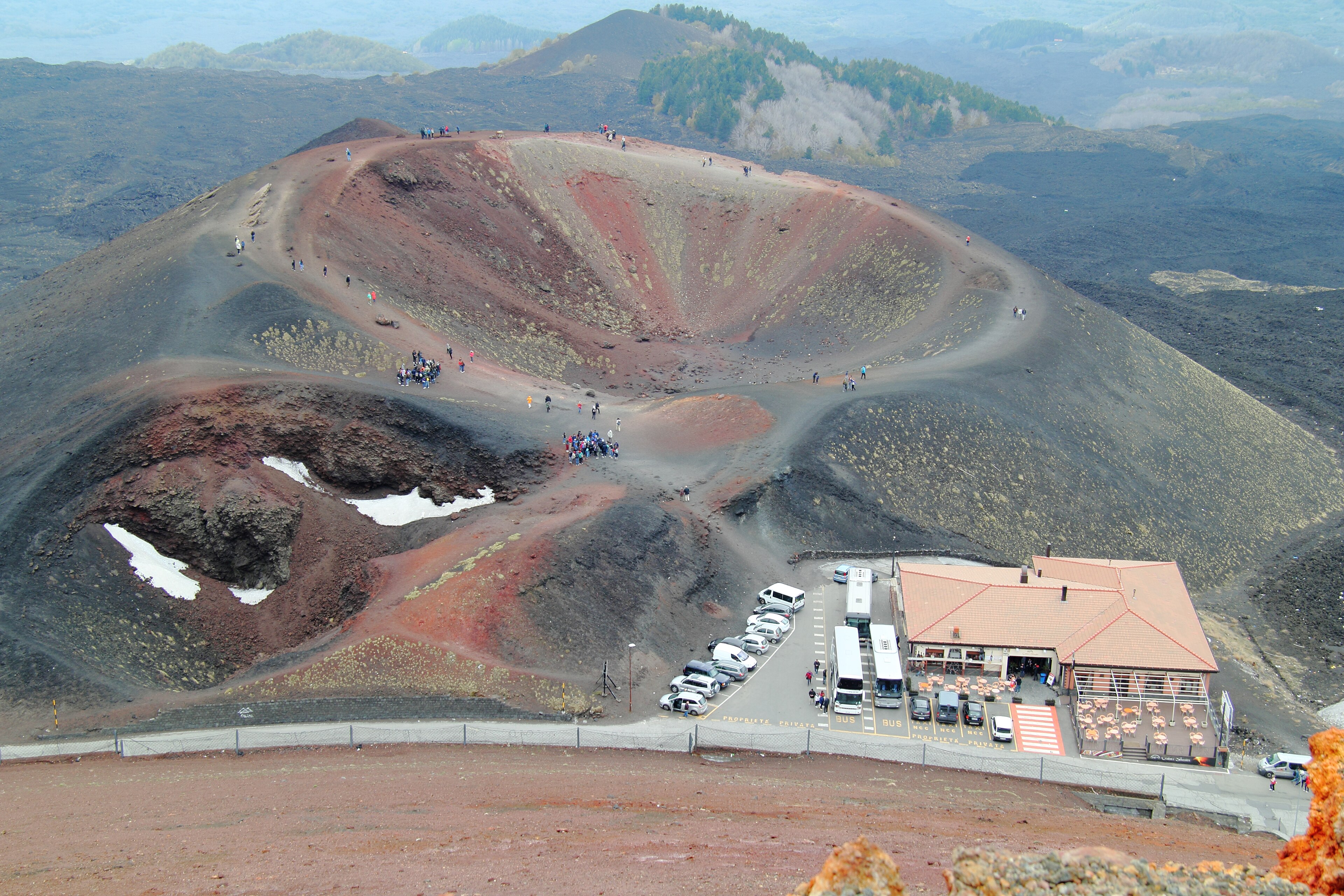
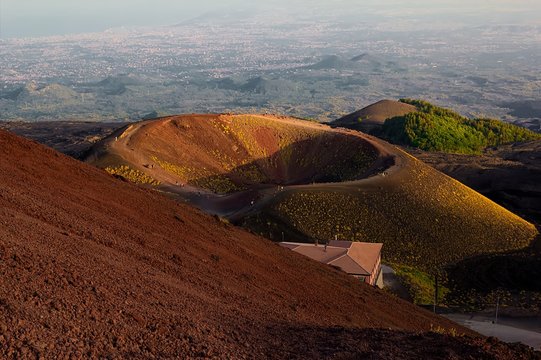
Silvestri rim overlap

Silvestri rim overlap

Where to find itStand on the path between the parking area and the lower Silvestri crater lip, where you can look across the two adjacent rims without descending into either one.

Look forThe way one crater edge cuts into the other, with dark cinders on one side and older, rust-brown lava on the other.

Why it matters · This is the quickest way to read Etna as a layered place, not just a big hole. Without that overlap, the craters can look like random lumps; with it, you can see one eruption overprinting another.
Look at this · 2 of 4
Cinder-to-rock switch

Cinder-to-rock switch

Where to find itWalk a few steps from the parking lot toward the crater trail and stop where the underfoot surface visibly changes.

Look forLoose black cinders giving way to sharper, more solid lava fragments and jagged rock edges.

Why it matters · That small shift in ground texture tells you more about the volcano than a distant panorama does. It shows how fresh volcanic material sorts itself by age and weathering right under your shoes.
Look at this · 3 of 4
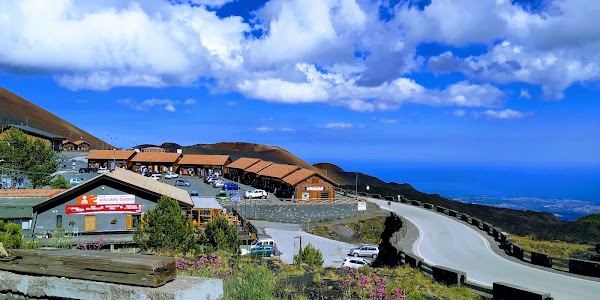
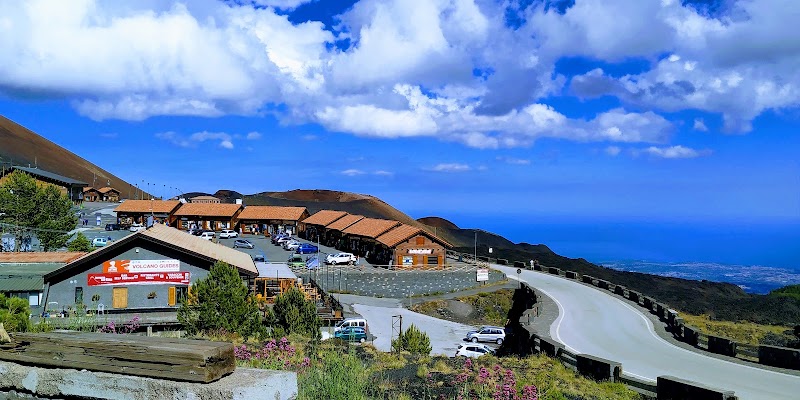
Cable car station

Cable car station

Where to find itStand beside the Funivia del Etna station buildings at Rifugio Sapienza and face uphill from the lower base area.

Look forThe station’s location on the south-flank route and the line of infrastructure climbing toward the upper mountain.

Why it matters · This is the practical hinge of the whole visit: from here the mountain becomes a choice of effort, not a single fixed sight. It explains why families can stop at free craters, ride to 2,500 m, or push on with a guide.
Look at this · 4 of 4
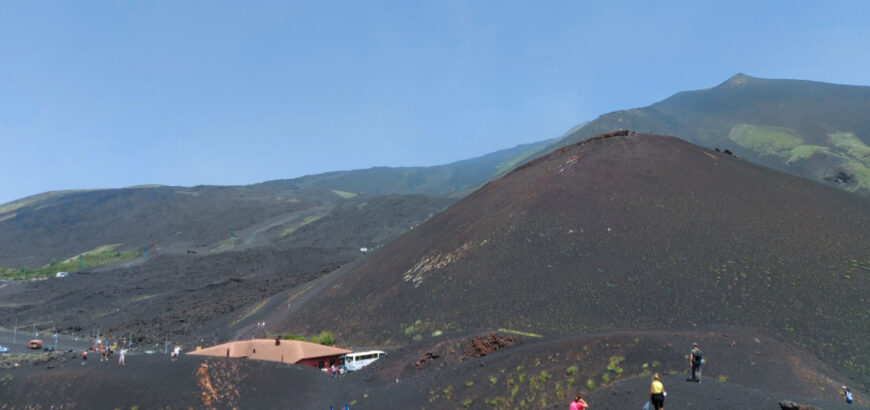
Upper cone backdrop

Upper cone backdrop

Where to find itFrom the crater parking area, turn away from the souvenir stalls and look upslope toward the barren higher ground.

Look forThe smooth, ash-colored upper slopes and the rougher broken band where the summit route begins to feel serious.

Why it matters · That view makes Etna’s scale legible. It also helps you judge whether the cable car is enough for your group or whether the full 4x4-and-guide option is worth the extra time.
Photo gallery

What it looks like

Almost done · before you leave

Spot these

Find each one — tap to tick it off.

Done · time to eat

Nearby eat & drink

Filters

Section
Price
Max walking time
Minimum rating
Type

Lunch

Sit-down lunch spots

  • Rifugio Sapienza

    3 min walk
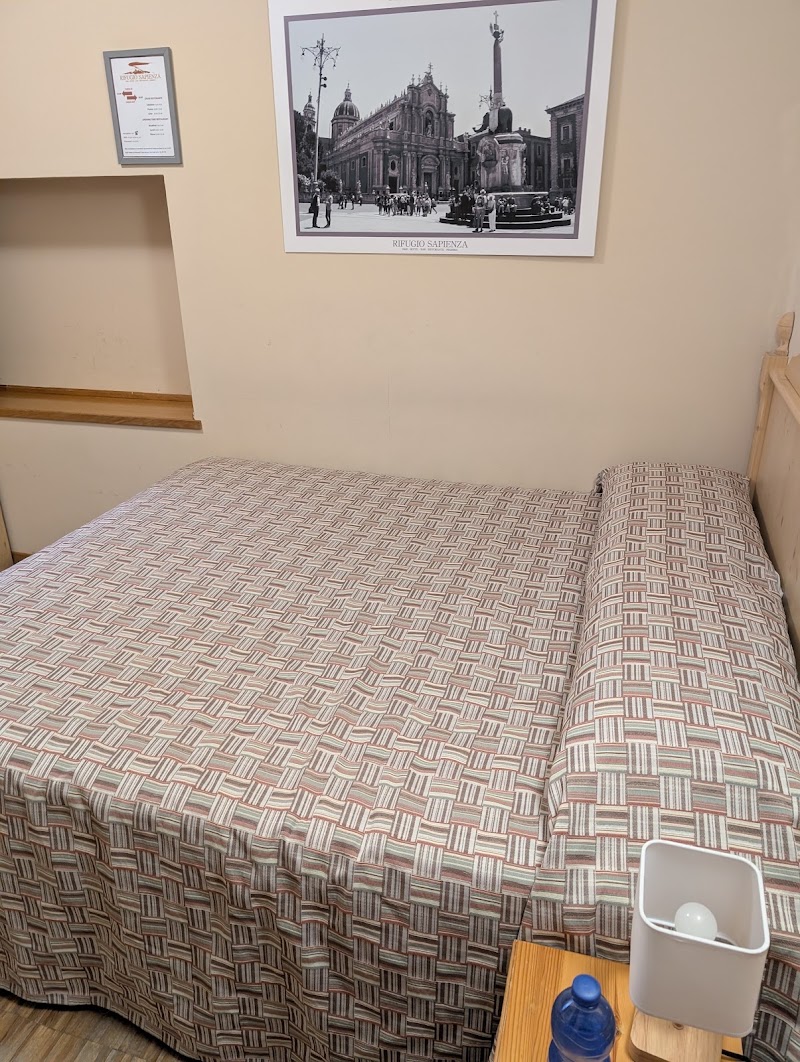
    ★ 4.4 (15.813) Bed & Breakfast

    Intimate mountainside hotel with free Wi-Fi & breakfast, plus a casual Sicilian restaurant.
    • Boscaiola
    • Bresaola
    • Montanara
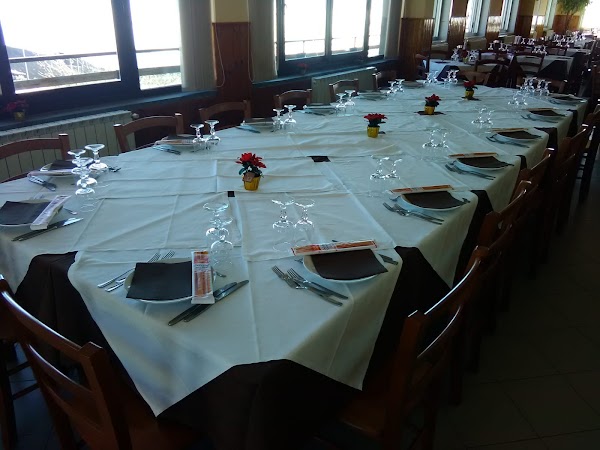
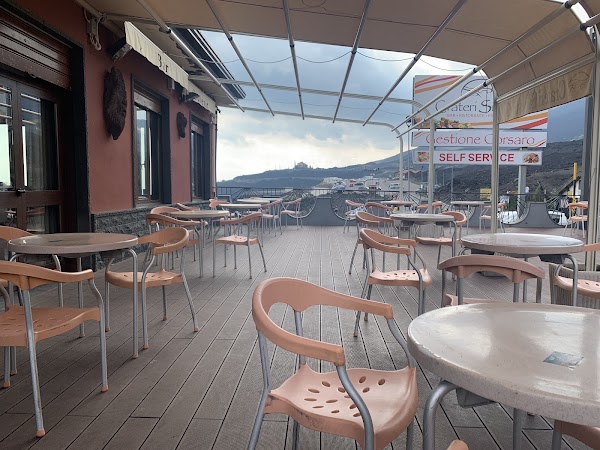
  • Ristorante La Cantoniera Etna

    9 min walk
    ★ 4.3 (1.831) €€ Restaurant
    • Calamarata con ragù di calamari, olive e capperi
    • Pluma di suino CBT, cime di rapa e salsa romesco
    • Semifreddo alla liquirizia e caramello
  • Bar Ristorante Crateri Silvestri

    7 min walk
    ★ 4.1 (1.500) Restaurant
    • ravioli al pistacchio
    • ravioli ai funghi porcini
    • grigliata mista di carne
  • MYETNA STREET FOOD

    6 min walk
    ★ 4.4 (1.159) Restaurant
    • carbonara
    • grigliata mista
    • pesto di pistacchio
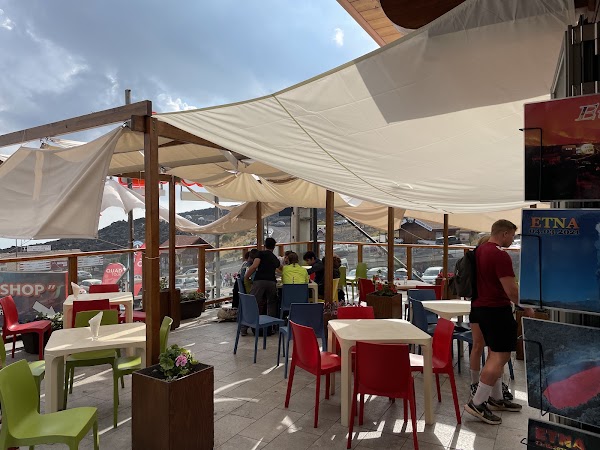
  • La Terrazza Dell'Etna

    1 min walk
    ★ 4.2 (639) €€ Restaurant
    • Pizza Bronte
    • Pizza Siciliana
    • Tiramisù

Dinner

Where to land in the evening

  • Rifugio Sapienza

    3 min walk
    ★ 4.4 (15.813) Bed & Breakfast

    Intimate mountainside hotel with free Wi-Fi & breakfast, plus a casual Sicilian restaurant.
    • Bocconcini ricotta e tuma fritta
    • Bruschetta
    • SOUFFLÉ PISTACCHIO
  • Ristorante La Cantoniera Etna

    9 min walk
    ★ 4.3 (1.831) €€ Restaurant
    • Gamberi alla piastra, verdure arrostite, salsa terriyaki e chips di patata dolce
    • Battuta di fassona, lime, zenzero e papadam
    • Cappelletti in brodo di cappone
  • La Terrazza Dell'Etna

    1 min walk
    ★ 4.2 (639) €€ Restaurant
    • Pizza Bronte
    • Pizza Siciliana
    • Tiramisù
  • Corsaro Etna Hotel & SPA

    11 min walk
    ★ 4.6 (623) Hotel

    Relaxed rooms with free Wi-Fi & breakfast, plus a buffet restaurant & a wellness area.
  • Monte Gebel

    3 min walk
    ★ 4.1 (548) €€ Restaurant
    • Arancini
    • Spaghetti alla Carbonara
    • Aperol Spritz

Quick grab

Fast food & takeaway for when you just need something fast

Searched, none found within range: Specialty coffee · Coffee & bakery · Familiar chains / fast food. The nearest fast food is likely in the closest town.

Practical info

GPS 37.6995, 14.9992
Typical duration (min) 90

More about this place

Rifugio Sapienza is less a picturesque mountain lodge than a document of Italian 20th-century politics in building form. The original structure began in the late 1930s as a Fascist-era barracks called “Capanna Montagnola,” built by the Voluntary Militia for National Security and left incomplete when the war broke out; after the fall of Fascism, the Catania section of the Club Alpino Italiano took it over, completed it, and opened it as a refuge-hotel in 1947.[1][6] Sources also identify the postwar project with engineer Oliviero Scuto, and one account gives a 14 December 1947 inauguration, with a later expansion in 1965 and a doubling in size during the 1960s.[2][4][6] The name honors Giovannino Sapienza, a CAI member who died in the war, which is fitting: the place was repurposed from a regime’s logistical outpost into a civilian base for mountaineers and skiers.[3][4]

What makes the building matter, beyond the lava and parking lots, is its blunt transition from state monumentality to Alpine utility. It sits at 1,910 meters on Etna’s southern slope, beside the lift infrastructure that turned this flank of the volcano into one of the island’s two ski areas in the second half of the 20th century.[1][6] In that sense, it belongs to a broader class of Italian mountain architecture shaped by fascist planning, then softened by postwar recreation and tourism: not a design object in the modernist canon, but a repaired, enlarged, and repeatedly practical one. Even the surrounding crater landscape has a political edge, because the site’s value has always depended on access, infrastructure, and the state’s ability to organize peril into excursion.[1][9]

Sources: