Lower Corso First
Why it matters · This is the cleanest way to see Modica as a two-level town instead of a postcard silhouette. Starting low makes the later climb feel earned, and it keeps the family walk easier before the stairs and steep lanes.
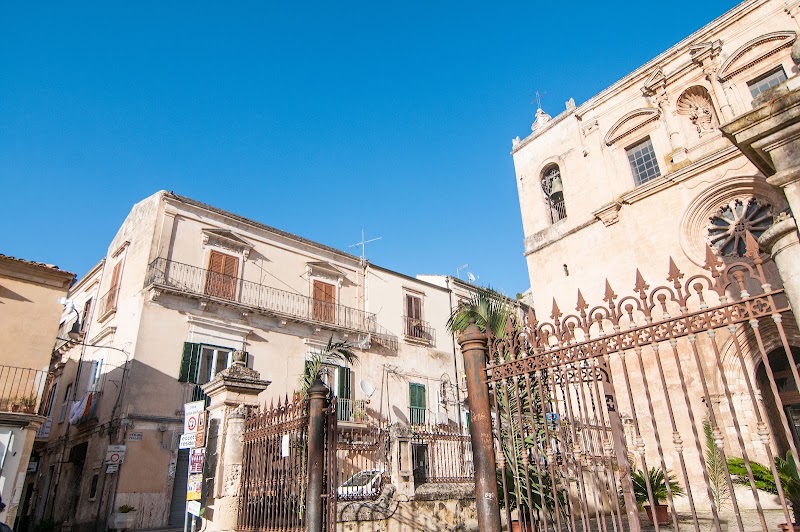
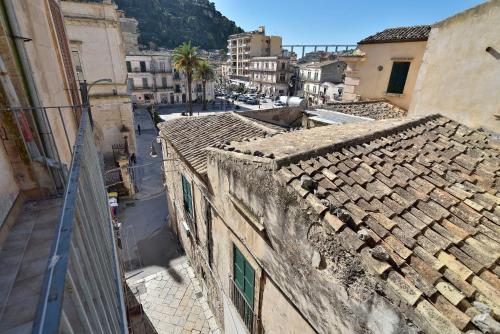
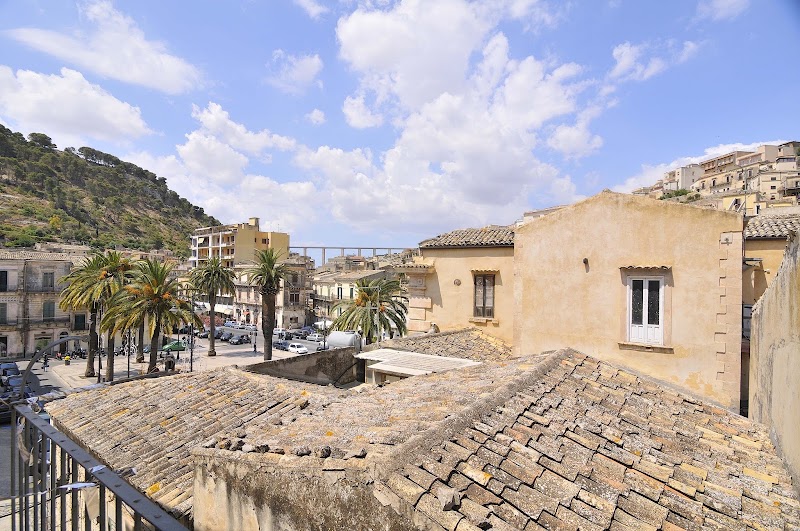
Modica’s old town reads like a city rebuilt by a grudge: after the 1693 earthquake, it split into two levels, and the upper streets still drop into the lower one by stairways and a bridge that turns a simple walk into a small ordeal[1][6]. That topography is the point: one town, two altitudes, and a rebuild so total it became part of Sicily’s late-Baroque identity[1][3][14].
Stand outside · play the audio first, then read on.
Modica old town matters because it was rebuilt after the earthquake of 9 and 11 January 1693, a disaster that killed 3,400 people in the city and forced a full rethink of how the place should work.[13] Before that, Modica had grown around medieval power: the County of Modica, under families such as the Mosca, Chiaramonte, and Cabrera, had made the town a serious feudal center in Sicily, with authority and wealth that rivaled higher powers.[3][9]
The turning point was not just ruin, but reconstruction. Unlike some other towns in the Val di Noto, Modica was rebuilt on the same site, and the effort reorganized the city into the two levels visitors still feel today: Modica Alta above and Modica Bassa below, stitched together by steep streets and stairways.[7][12] That choice kept the old topography alive instead of erasing it, so the town’s post-earthquake Baroque faces still sit over a much older medieval skeleton.[7][14]
A visitor can still read that history in the slope of the streets, the split between upper and lower town, and the churches and palaces that line the valley floor.[7][14]
Read more →Go early in the day or later in the afternoon. The middle hours are the worst for tight parking and crowding in the historic center, so a low-traffic arrival makes the uphill walk much easier.
Park low on Corso Umberto I and start from there. There is no single formal entry point for the old town; the practical move is to begin in the flat lower section, see San Pietro first, then decide whether to climb to San Giorgio.
Walk the lower corso first, then work uphill in stages toward Duomo di San Giorgio. Keep turning back to read the stacked town from street level, because that is what makes Modica understandable.
Tap ⓘ at the top right anytime for hours, address, prices.
Find each one — tap to tick it off.
Third-wave roasters & quality espresso (worth a walk)
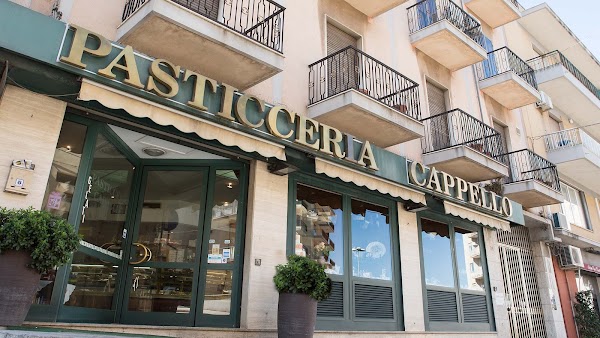
Casual cafés and bakeries closest to here
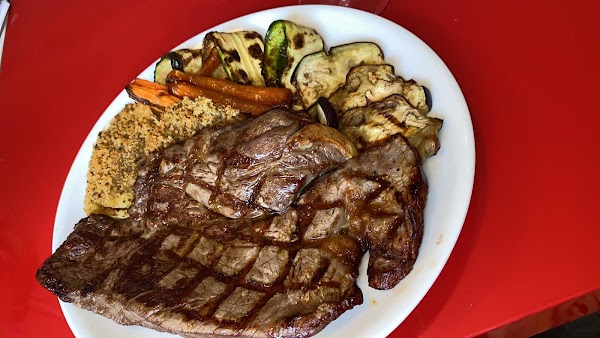
Sit-down lunch spots
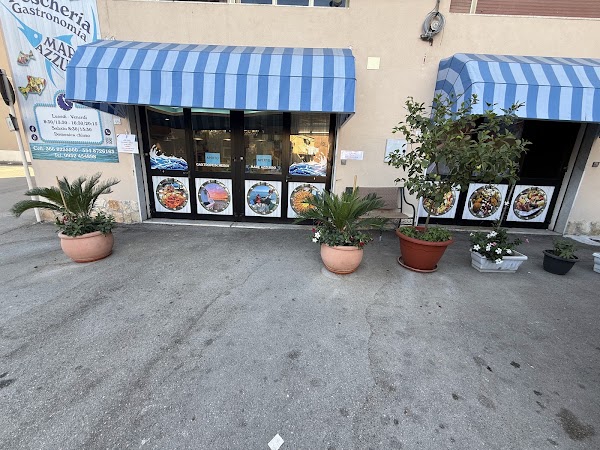
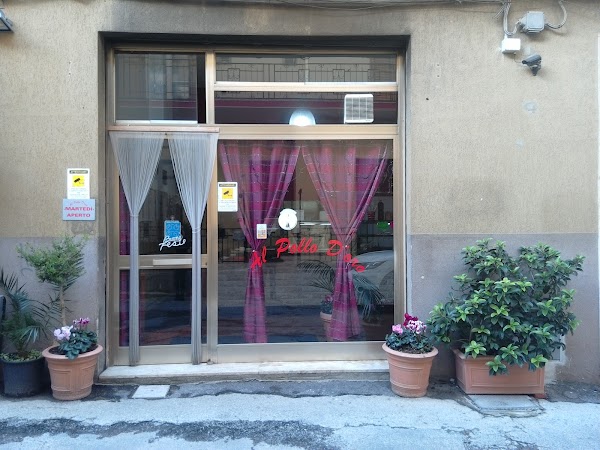
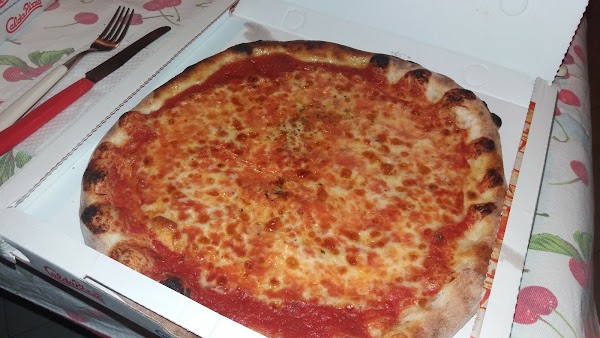

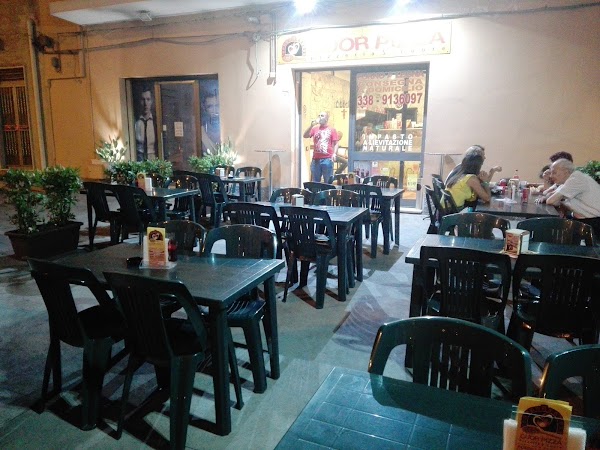
Where to land in the evening
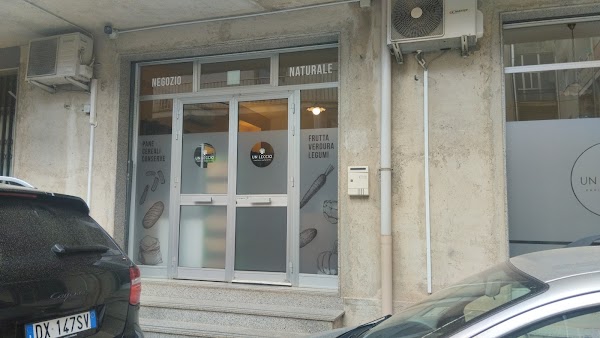
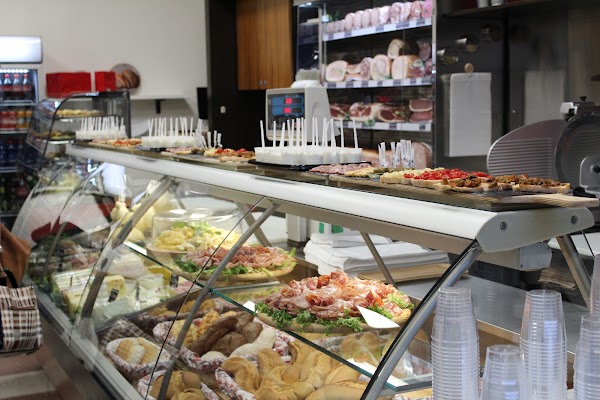
Fast food & takeaway for when you just need something fast
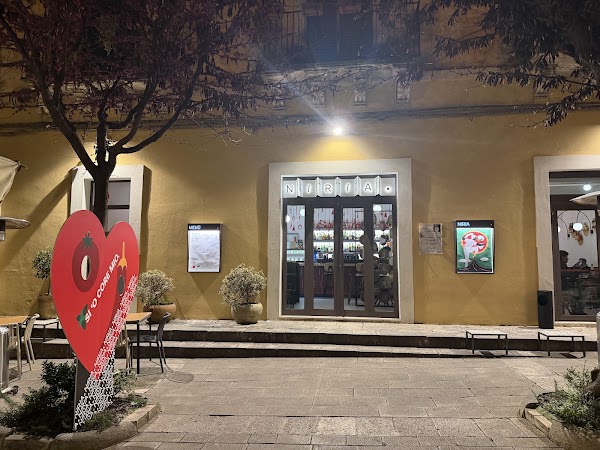
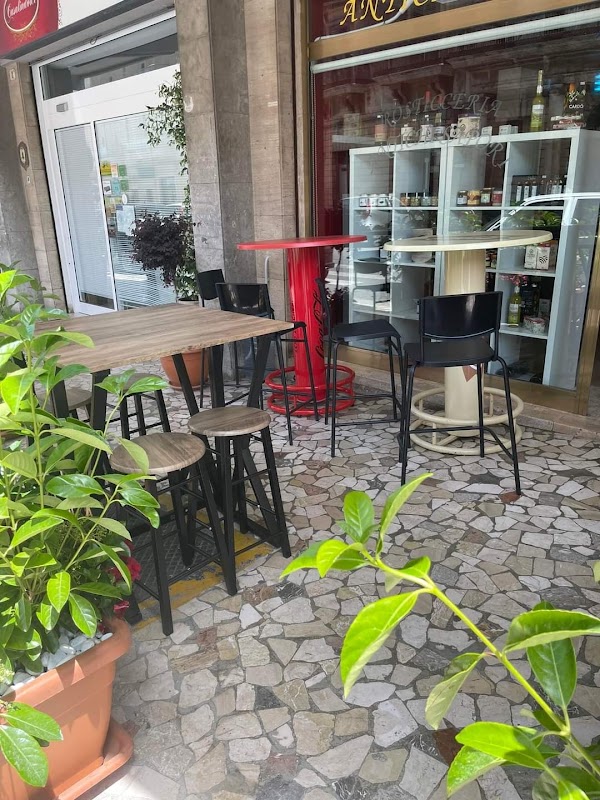
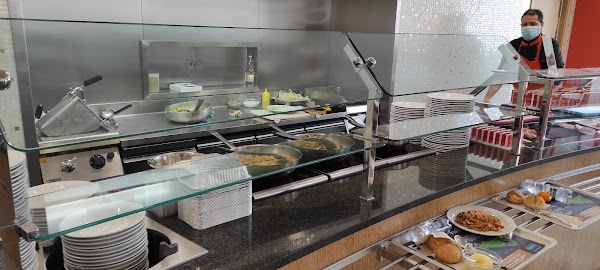
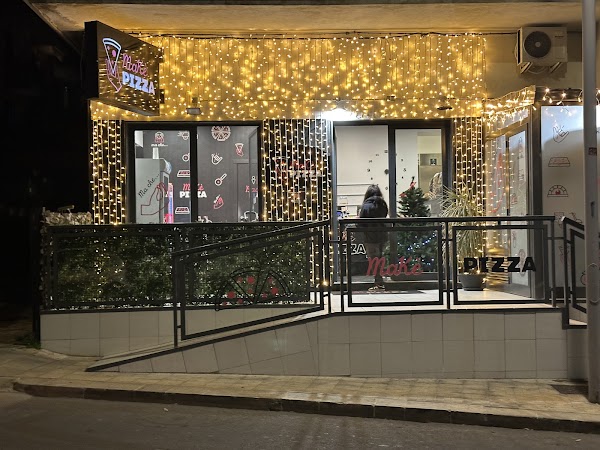
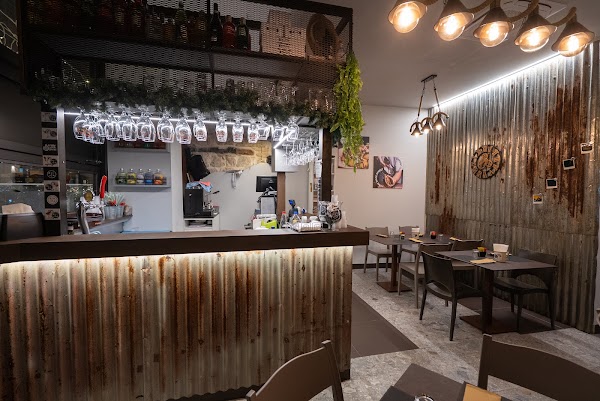
For the "we just want a Big Mac" moment.