Day 2 · Baroque South-East
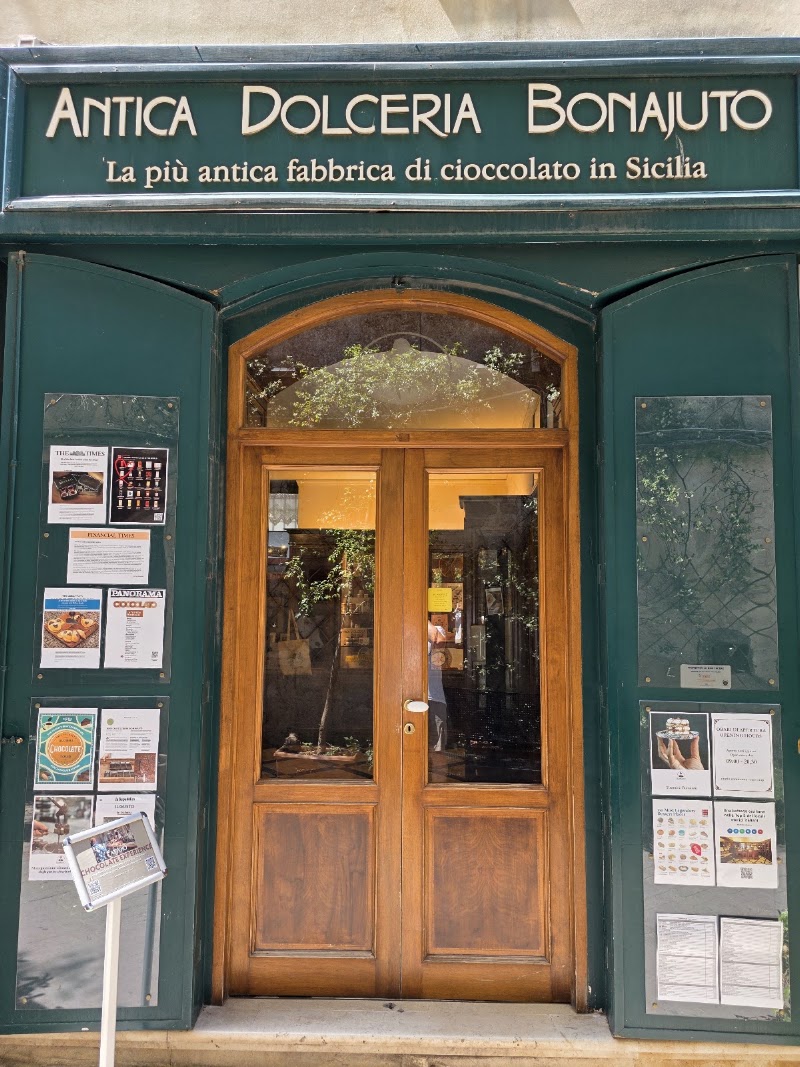
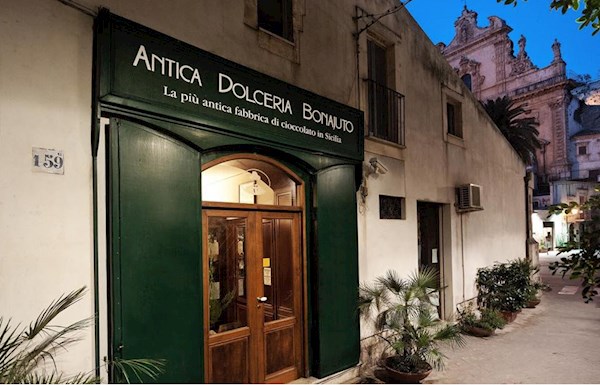
Antica Dolceria Bonajuto
Step 1 · Before you enter · ~15 sec

Antica Dolceria Bonajuto

★ 4.6 (6,080) €30 Maps ↗ Website ↗

At Antica Dolceria Bonajuto, the surprise is not that the chocolate is old—it’s that the method still barely differs from the one the Spanish brought from Mesoamerica. You are tasting a craft in Modica that has been running since 1880, with six generations refusing to modernize it into something smoother and safer.

Stand outside · play the audio first, then read on.

Step 2 · The story · ~2 min

Why this place matters

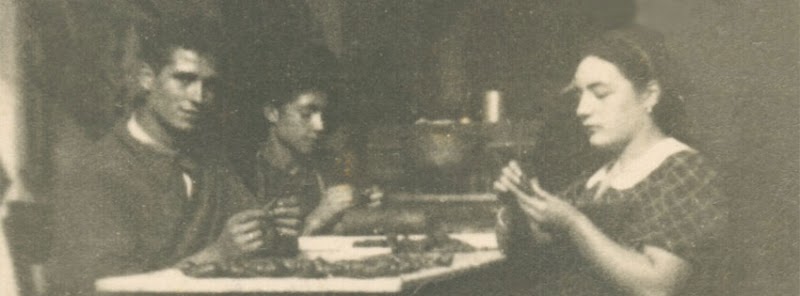
Antica Dolceria Bonajuto matters because it is not a museum piece pretending to be alive; it is a working chocolate house that has been making Modica chocolate since 1880 and says it has stayed in production for six generations[2][5]. The story reaches back even further. In 1853, Federico Bonajuto, son of Francesco Ignazio Bonajuto, bought a mill to crush cocoa beans and make what the family called the “fattojo del ciccolatte,” a small laboratory that shows this was already a craft before the current shop opened[1][8].

The turning point came with Francesco Bonajuto, who founded the present place in 1880 under the name Caffè Roma, a social meeting place with socialist leanings, before the business later became Antica Dolceria Bonajuto in 1992[1][9]. That detail matters because it explains why the shop is more than a sweet stop: it grew from a public room where ideas were exchanged, then outlasted the political fashions of its day. The family’s chocolate also earned outside recognition, including a gold medal at the Rome International Exposition in 1911, which helped pull Modica chocolate back from obscurity and into wider notice[6][13].

What a visitor still sees today is the continuity: a shop in Modica still making chocolate by the old cold-processing method, with hardly anything changed from the technique used by the Mesoamericans[2][5].

Read more →
Step 3 · Going in

Here's how

Best time to visit

Go early on a weekday morning if you can. The shop is easier to browse before it gets busy, and the smaller crowd makes it simpler to compare bars and buy souvenirs without being rushed.

Entry strategy

The tour is private booking only, so do not assume walk-in access for a guided visit. For a family of five, keep the visit focused on the shop unless you have already arranged the short 30-minute private format.

Recommended route

Start at the tasting counter, then work the shelf behind it for bars, then the pastry case for mpanatigghi, and finish at the checkout boxes. That order keeps the fragile, flat purchases last so they survive the rest of the day.

Tap ⓘ at the top right anytime for hours, address, prices.

Look at this · 1 of 4
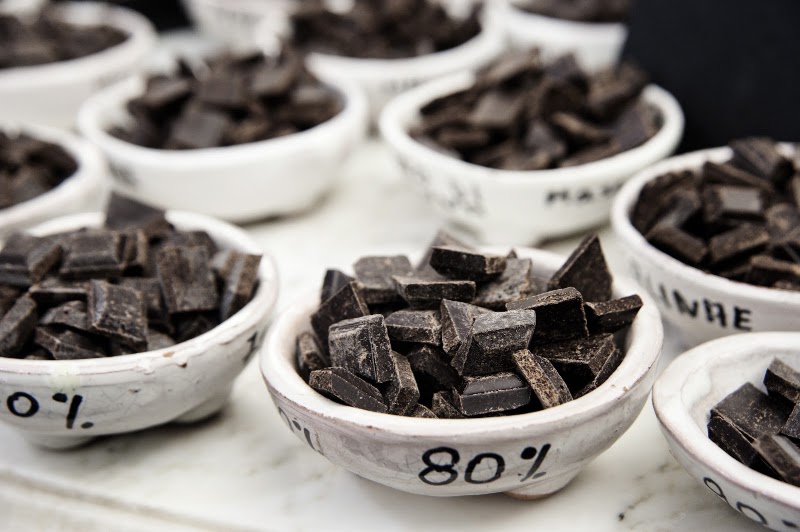
The grainy snap

The grainy snap

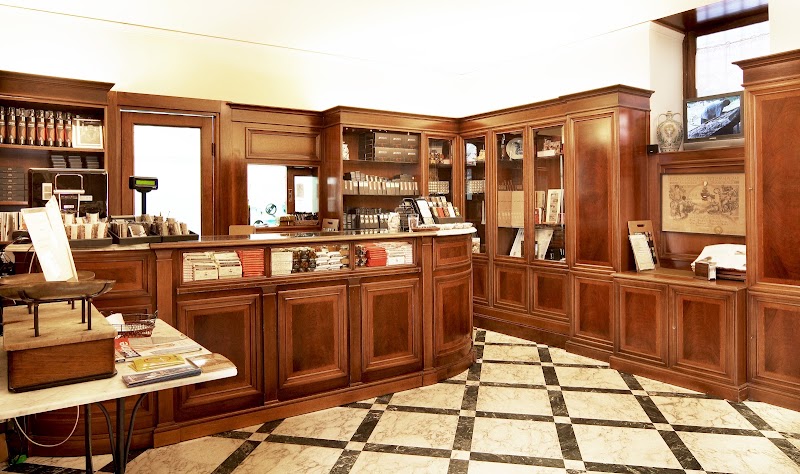
Where to find itStand at the tasting counter and break a bar in half under the shop lights, not in your pocket.

Look forThe cut edge should look rough and slightly sandy, with a dry, matte break rather than a glossy snap.

Why it matters · That texture is the whole point of Modica chocolate here: cold-worked, not conched smooth. Without noticing the grain, you miss the method Bonajuto is preserving and may mistake it for a flaw.
Look at this · 2 of 4
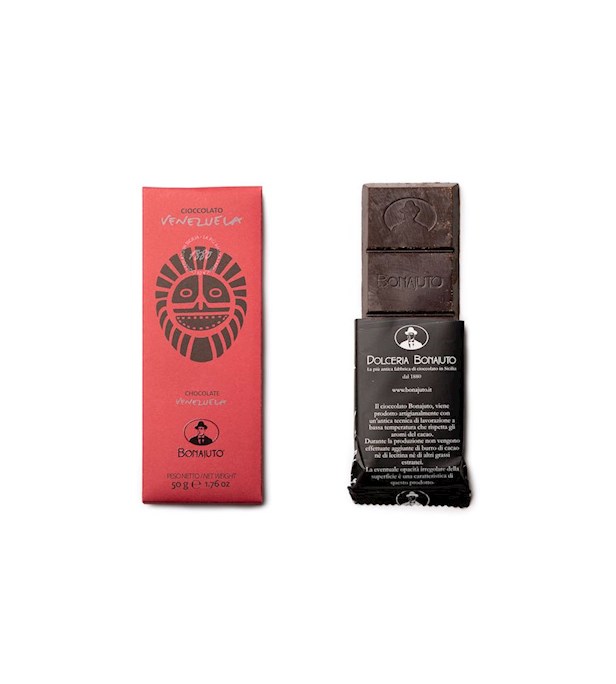
Aztec-method bars

Aztec-method bars

Where to find itLook at the shelves directly behind the counter where the wrapped bars are stacked by flavor.

Look forBars that emphasize simple, old-style flavors like vanilla and cinnamon, usually in plain packaging that feels more apothecary than luxury boutique.

Why it matters · Those bars show the shop’s link to the older cold-processing tradition, not modern candy-shop chocolate. They are the easiest way to taste the history in a form you can carry home.
Look at this · 3 of 4
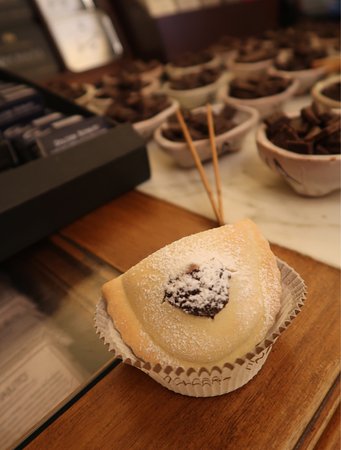
The mpanatigghi case

The mpanatigghi case

Where to find itFind the pastry display near the chocolate boxes and look for the darker, hand-shaped biscuits.

Look forSmall pastries with a cocoa-dark exterior that do not look sweet or glossy like dessert cakes.

Why it matters · These are the odd local specialty that people overlook because the filling includes beef, chocolate, and spices. That savory-sweet profile is exactly why they matter: they tell you Modica’s chocolate culture is not trying to be generic.
Look at this · 4 of 4
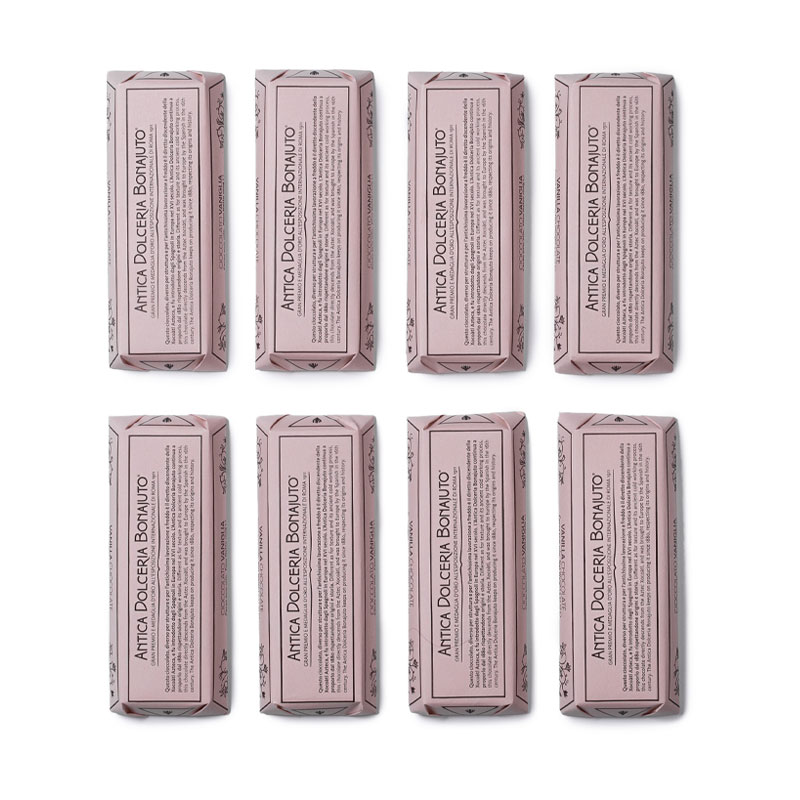
Souvenir stack

Souvenir stack

Where to find itStand by the boxed goods near the checkout, where bars and assortments are grouped for easy grabbing.

Look forMultipacks and gift boxes that can be packed flat in a bag without getting crushed.

Why it matters · This is the place to stock up before the better-known flavors disappear from the shelf. If you wait until later in the trip, you will likely settle for whatever is left instead of the bars and boxes you actually wanted for Day 8.
Photo gallery

What it looks like

Almost done · before you leave

Spot these

Find each one — tap to tick it off.

Done · time to eat

Nearby eat & drink

Filters

Section
Price
Max walking time
Minimum rating
Type

Specialty coffee

Third-wave roasters & quality espresso (worth a walk)
  • Caffè dell'Arte

    23 min walk
    ★ 4.6 (806) Pastry Shop
    • ricotta-filled brioche
    • coffee granita
    • cremolata
  • Fargione Cafè & Pasticceria

    18 min walk
    ★ 4.4 (50) Coffee Shop
    • cannolo classico
    • cannolo senza glutine
    • mpanatigghi
  • Coffee Shop di Aurora Sortino

    23 min walk
    ★ 5.0 (7) Coffee Shop

Coffee & bakery

Casual cafés and bakeries closest to here
Lunch

Sit-down lunch spots

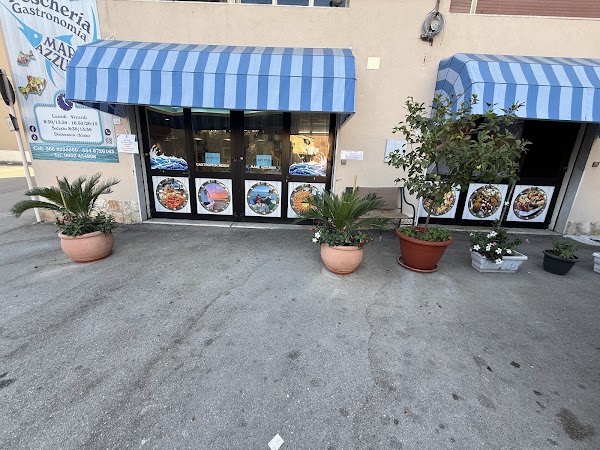
  • “Mare Azzurro “PESCHERIA/GASTRONOMIA Modica (rg)

    11 min walk
    ★ 4.6 (237) Food Store
    • Arancino al nero di seppia su fonduta di ragusano, con tartare di gambero rosso e polpa di ricci
    • Pasta mista con zuppetta di pesce locale
    • Linguine di gragnano con ricci di mare
  • Pollo D'Oro Alla Brace Di Lorefice Giuseppe E C S.N.C.

    9 min walk
    ★ 4.6 (170) Food Store
  • Diego Pizza

    9 min walk
    ★ 4.3 (142) Pizza Restaurant
    • Margherita
    • Diavola
    • Caprese
  • Europizza

    12 min walk
    ★ 4.5 (139) Pizza Delivery
    • Bufala E Crudo
    • Frutti di Mare
    • Margherita
  • Pizzeria Cuor Pizza

    16 min walk
    ★ 4.1 (111) €€ Pizza Restaurant
    • Biancaneve Doppia Mozzarella
    • Carolina di Borbone
    • CuoreGiallo

Dinner

Where to land in the evening

  • “Mare Azzurro “PESCHERIA/GASTRONOMIA Modica (rg)

    11 min walk
    ★ 4.6 (237) Food Store
    • arancino al nero di seppia su fonduta di ragusano, con tartare di gambero rosso e polpa di ricci
    • pasta mista con zuppetta di pesce locale
    • linguine di gragnano con ricci di mare
  • Pollo D'Oro Alla Brace Di Lorefice Giuseppe E C S.N.C.

    9 min walk
    ★ 4.6 (170) Food Store
  • Pizzeria Cuor Pizza

    16 min walk
    ★ 4.1 (111) €€ Pizza Restaurant
    • BIANCANEVE DOPPIA MOZZARELLA
    • CAROLINA DI BORBONE
    • CUOREGIALLO
  • Un Leccio

    8 min walk
    ★ 4.8 (52) €€ Restaurant
  • PRIZIÙSA Salumeria - Panetteria - Catering

    8 min walk
    ★ 5.0 (40) Food Store

Quick grab

Fast food & takeaway for when you just need something fast
Familiar chains

For the "we just want a Big Mac" moment.
Practical info

GPS 36.8452, 14.7607
Typical duration (min) 90

More about this place

Antica Dolceria Bonajuto sits inside Modica’s lower town, which was reshaped after the earthquake of 1693 into the late Baroque cityscape that now defines the Val di Noto, a UNESCO-listed ensemble. The shop traces its formal founding to 1880, when Francesco Bonajuto established the business; later family accounts and trade records suggest the activity began a little earlier, as a sweets shop and sorbet house. That timeline matters because Bonajuto is not a relic frozen in amber: it is an unusually durable commercial workshop, still family-run, and one of the oldest chocolate producers still operating in Sicily. The chocolate itself keeps to the old Spanish colonial method associated with Modica: cocoa and sugar are worked cold, so the sugar remains grainy and the texture stays rough, a technique locals connect to Aztec precedent brought into Sicily under Spanish rule.

For a curious adult, the pleasure is partly architectural and partly political. Modica’s grand churches and palazzi advertise the post-1693 rebuilding campaign, but Bonajuto occupies the more prosaic side of that history: the everyday urban fabric of Corso Umberto and its side streets, where commerce survived alongside aristocratic display. In the early 20th century the company won a gold medal for its confections at an exhibition in Rome, a useful reminder that provincial foodways were already being judged on national stages. Bonajuto’s appeal today comes from that tension: it is both a working shop and a local archive, grounded in the economic history of a city rebuilt in the Baroque age, then reinterpreted by a modern family business that never bothered to dress itself up as folklore.

Sources: