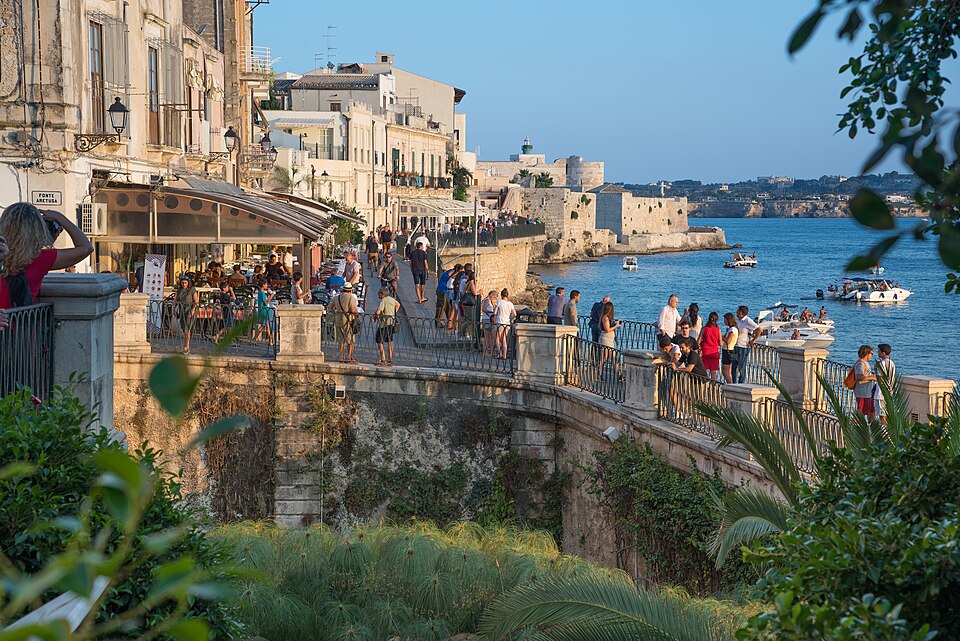
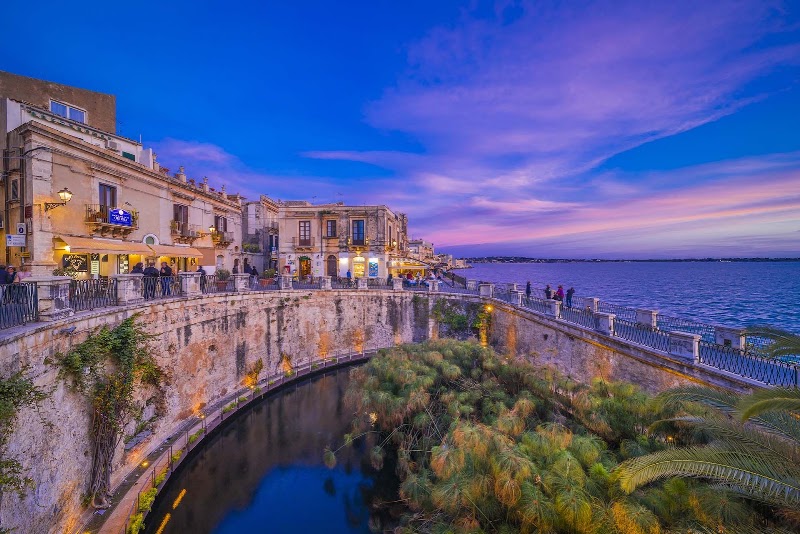
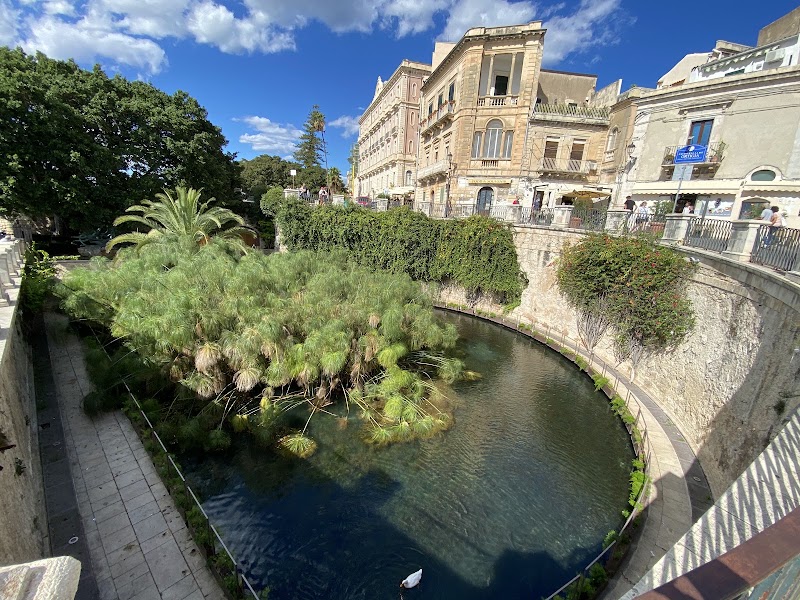
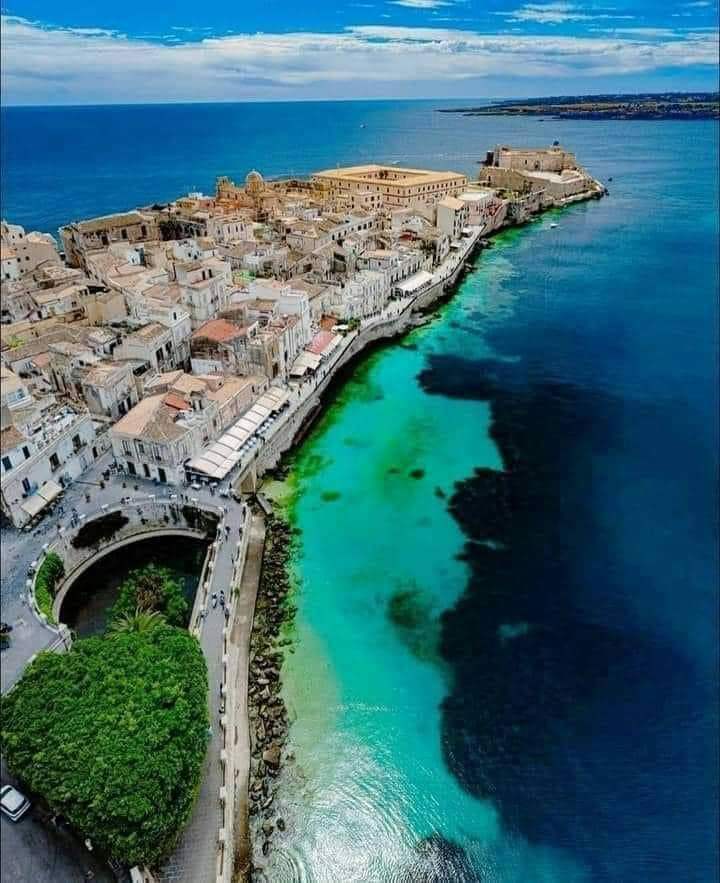
In Syracuse, the Fountain of Arethusa matters less as a pretty water source than as proof that myth, engineering, and civic survival kept sharing the same stage. Ancient tradition tied the spring to Arethusa and the river god Alpheus; by the 8th century BC, Greek settlers were already venerating it, and later writers such as Pindar gave the place literary weight[1]. That gave the spring an unusually long public life: it was not just remembered, it was used, argued over, and defended.
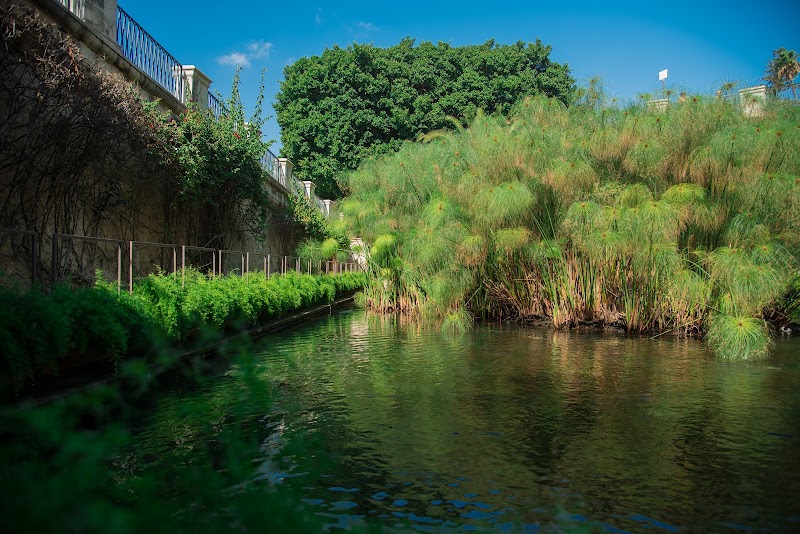
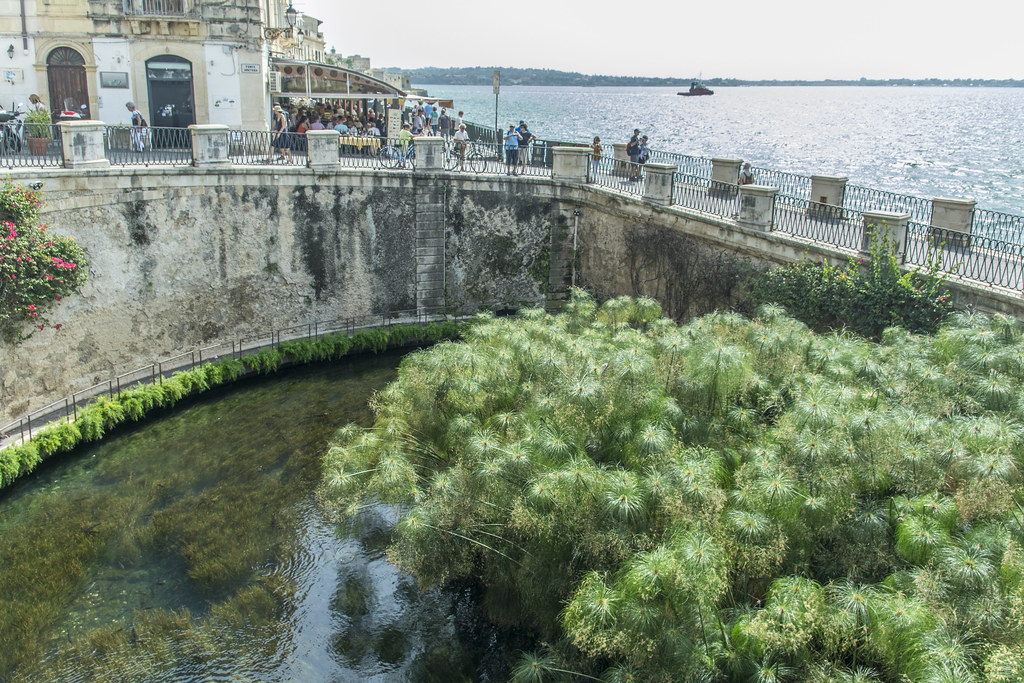
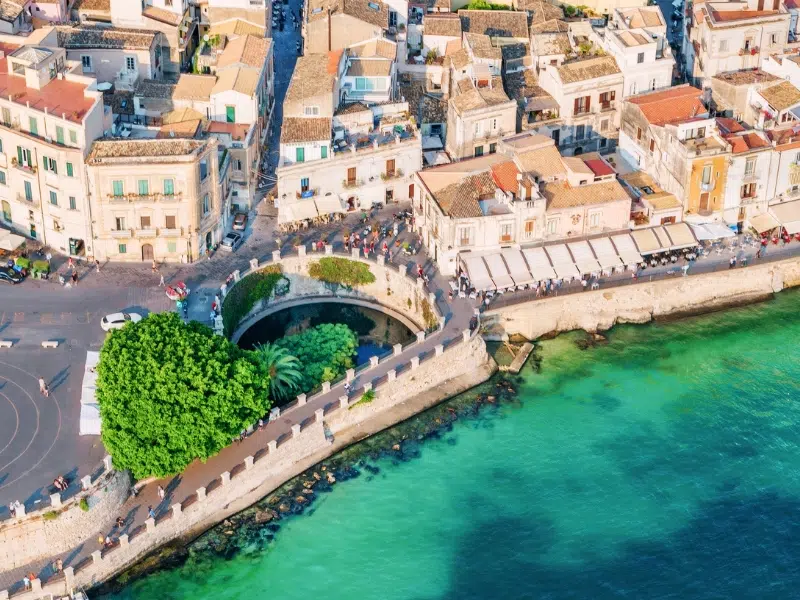
The sharp turn came in 1540, when the Spanish incorporated the source into Ortigia’s new fortifications under Charles V, cutting the lake back by about 200 meters[2]. From then on, the fountain was no longer simply a spring beside the sea; it became part of the island’s military skin, a place where water and wall were literally fused. The 1865 wall that protected the pond, and the 2018 restoration of the promenade, kept that same logic alive: preserve the spring, frame it, make it legible to the city[1][2]. What a visitor still sees today is the freshwater basin on Ortigia, ringed by its later masonry and watched over by papyrus reeds, with the sea only a few steps away[1][6].
Read more →