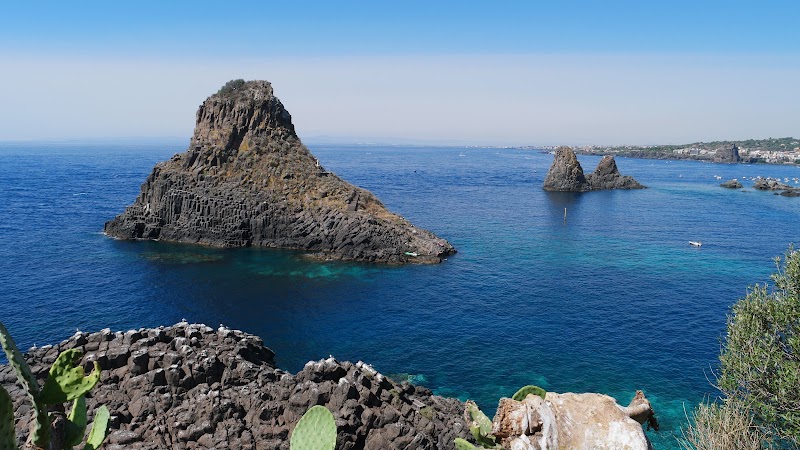
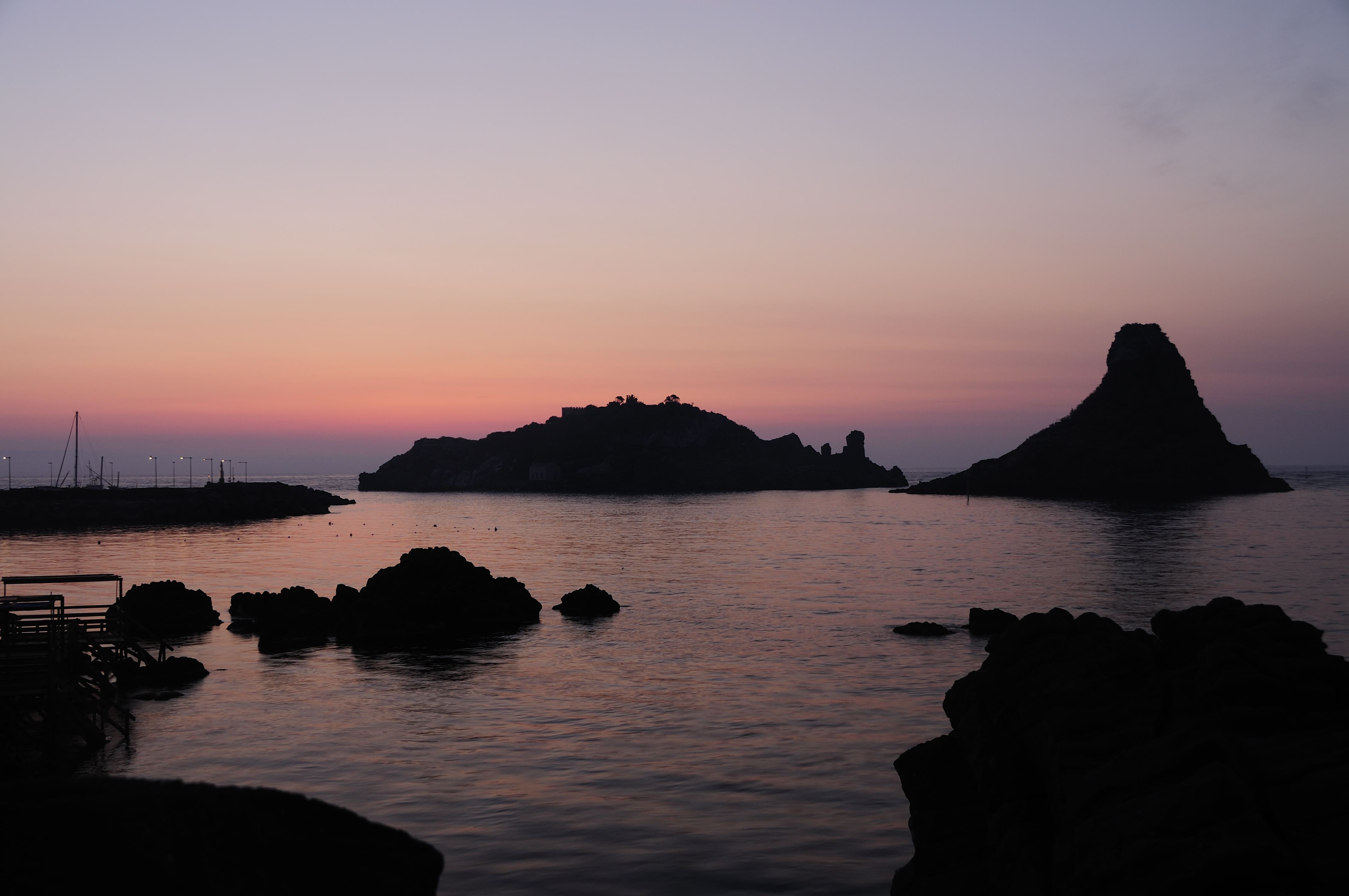
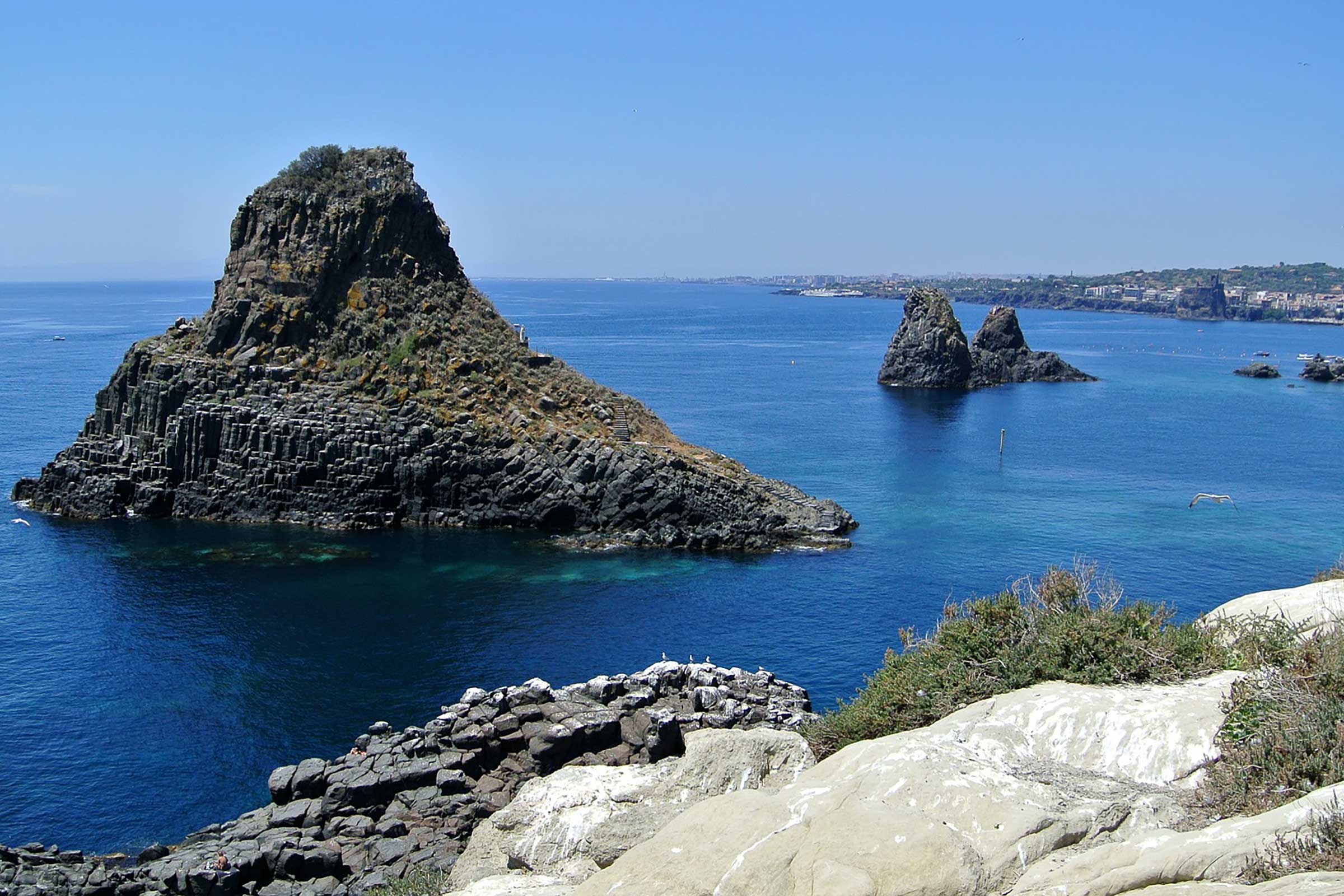
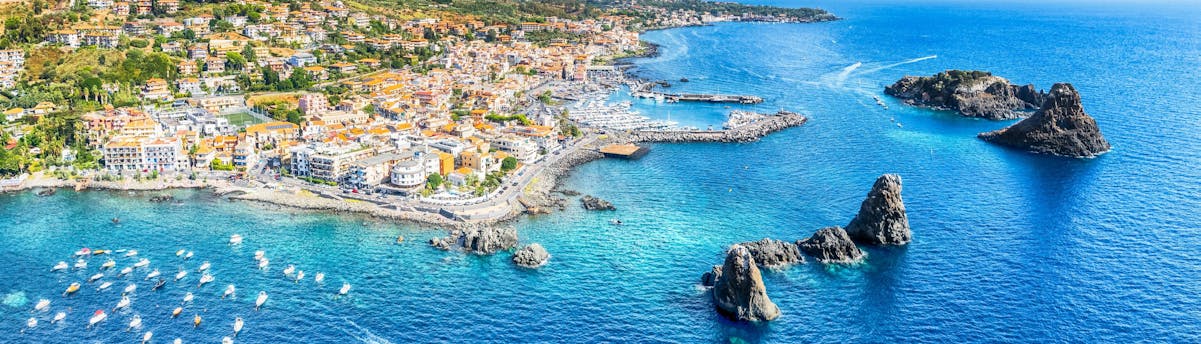
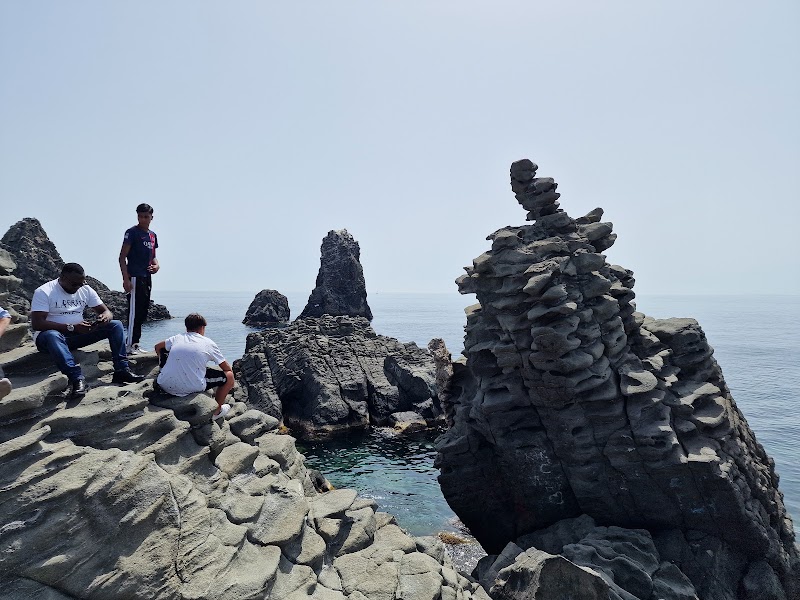
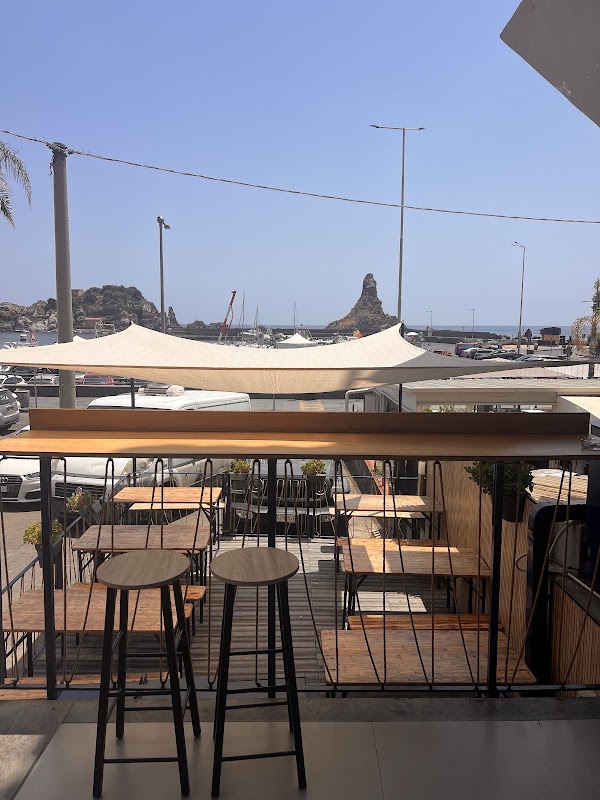
In Aci Trezza, the rocks offshore are not just scenery; they are the place where myth, literature, and local life have been made to share the same shoreline. Homer’s tale of Polyphemus throwing boulders at Odysseus gave the faraglioni their enduring story, and local tradition later tied them to Aci, the shepherd killed by the Cyclops, which is why so many nearby places carry the name Aci[1][11].
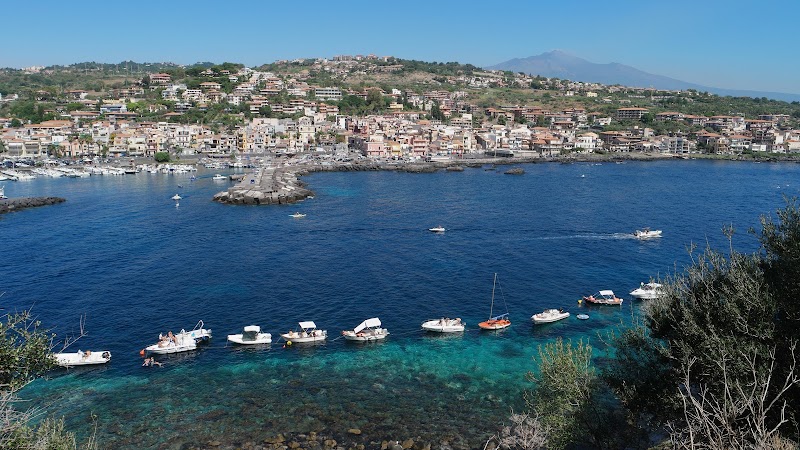
The turning point came much later, in 1881, when Giovanni Verga published I Malavoglia and set his novel in Aci Trezza, giving the village a literary afterlife as exacting as its fishing boats[3][8][14]. Verga did not write about heroes; he wrote about a fishing family, the hard arithmetic of debt, weather, and survival, and that realism fixed Aci Trezza in Italian memory as a working place, not a postcard[3][8]. The rocks matter because they sit at the meeting point of two durable stories: the old one about giants and thrown stones, and the modern one about ordinary people living by the sea[9][15].
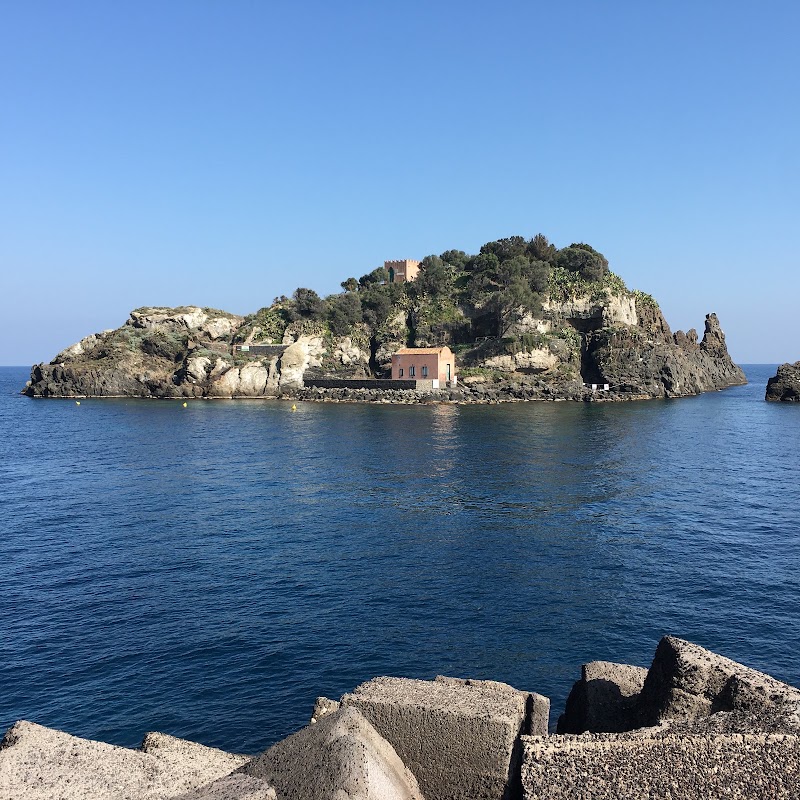
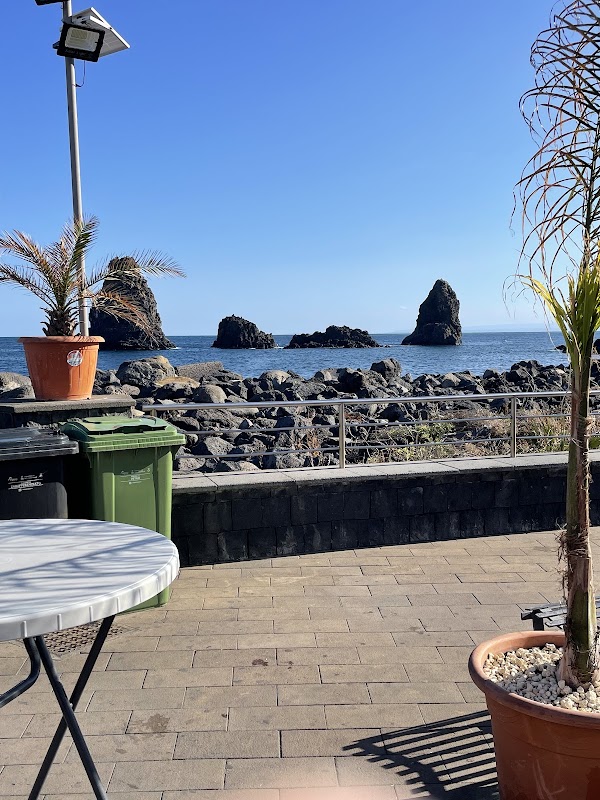
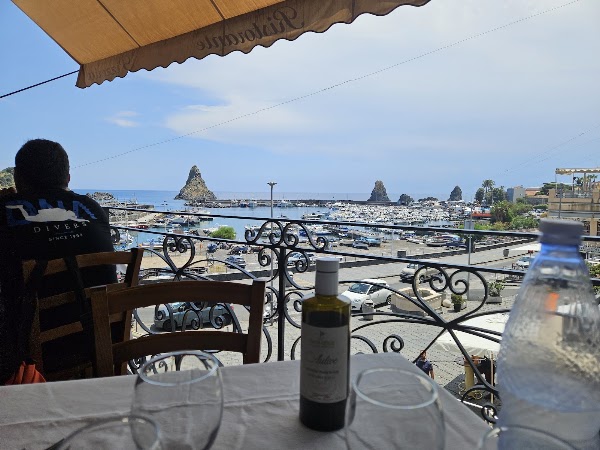
A visitor still sees the same black basalt stacks rising offshore, with Lachea Island among them, inside the protected marine area that keeps this coast from becoming just another seaside backdrop[11][12].
Read more →